

What makes the top DTC brands successful while so many others struggle to grow? Finding reliable examples isn’t easy when most lists repeat the same popular names. They rarely explain what makes each brand different or worth learning from.
For ecommerce owners and marketers, this missing information makes choosing the right examples harder. Brands like Gymshark, SKIMS, and Warby Parker use distinct products and marketing strategies to attract customers. Understanding their approaches can help you identify practical ideas for your own business.
This article explores 20 top DTC brands in 2026 and explains why each stands out. You’ll discover their products, marketing strategies, and approaches to building customer loyalty. We’ll also compare leading brands, explore industry trends, and share lessons worth applying.
What Are DTC Brands?
DTC (direct to consumer) brands sell their products directly to customers instead of relying entirely on third-party retailers. Companies like Gymshark, Warby Parker, and Glossier use their own websites to manage direct sales. This approach gives them greater control over pricing, product presentation, and customer relationships.
DTC companies typically manage customer acquisition through channels like Instagram, TikTok, Google Search, and email marketing. They can also collect direct customer feedback to improve products and shopping experiences. Some eventually expand into physical retail, as Warby Parker, Mejuri, and Vuori have done.
The DTC model doesn’t guarantee lower prices or higher profits. Its main advantage is maintaining a direct relationship with the buyer. That relationship can support personalized marketing, repeat purchases, and customer loyalty.
Top DTC Brands at a Glance
The top DTC brands in 2026 include Gymshark, SKIMS, Quince, Warby Parker, Glossier, and Hims & Hers. These companies represent categories like fashion, beauty, wellness, technology, and home essentials. Their approaches differ, but each offers a recognizable example of direct customer engagement.
The following comparison covers 20 established and influential DTC brands. It shows their primary product categories, distinctive strengths, and business models. The order reflects editorial organization rather than a verified ranking by revenue or growth.
| DTC Brand | Industry | What Makes It Stand Out | Business Model |
| Gymshark | Fitness apparel | Influencer marketing and fitness communities | Direct ecommerce and retail |
| SKIMS | Fashion | Celebrity branding and inclusive sizing | Ecommerce and retail |
| Quince | Fashion and home | Premium materials and direct pricing | Direct ecommerce |
| Warby Parker | Eyewear | Convenient shopping and vision services | Ecommerce and physical stores |
| Glossier | Beauty | Community driven marketing | Ecommerce and retail |
| Hims & Hers | Health and wellness | Personalized digital healthcare | Online services and recurring purchases |
| Oura | Wearable technology | Smart ring and health insights | Hardware and membership |
| Vuori | Activewear | Premium lifestyle positioning | Ecommerce and retail |
| Rhode | Skincare | Celebrity influence and social marketing | Ecommerce and retail distribution |
| Mejuri | Jewelry | Everyday fine jewelry | Ecommerce and retail |
| Ruggable | Home decor | Washable rug system | Direct ecommerce |
| The Farmer’s Dog | Pet food | Personalized meal delivery | Subscription |
| Away | Travel accessories | Product design and travel storytelling | Ecommerce and retail |
| Allbirds | Footwear | Natural materials and sustainability messaging | Ecommerce and retail |
| Ridge | Accessories | Minimalist wallets and product differentiation | Direct ecommerce and retail |
| Brooklinen | Home essentials | Bedding and customer experience | Ecommerce and retail |
| Dr. Squatch | Personal care | Humorous advertising | Ecommerce and retail |
| Our Place | Kitchenware | Multifunctional cookware | Ecommerce and retail |
| WHOOP | Fitness technology | Continuous tracking and membership | Hardware and subscription |
| Olipop | Beverages | Prebiotic soda and retail distribution | Ecommerce and wholesale retail |
20 Top DTC Brands in 2026
These 20 top DTC brands stand out for their products, marketing approaches, customer relationships, and industry influence. Each company demonstrates a different way to develop a recognizable consumer business. The following profiles explain what each brand sells, why it matters, and what ecommerce businesses can learn.
1. Gymshark: Best for Influencer Marketing and Fitness Communities
Gymshark is a fitness apparel brand known for influencer marketing and community building. Founded in 2012, the British company sells leggings, workout clothing, and gym accessories. Its marketing focuses on fitness culture and content created by athletes.
Gymshark works with fitness creators who demonstrate its products during workouts and training sessions. It also organizes community events that connect the brand with its audience. These activities help Gymshark build recognition beyond traditional advertising.
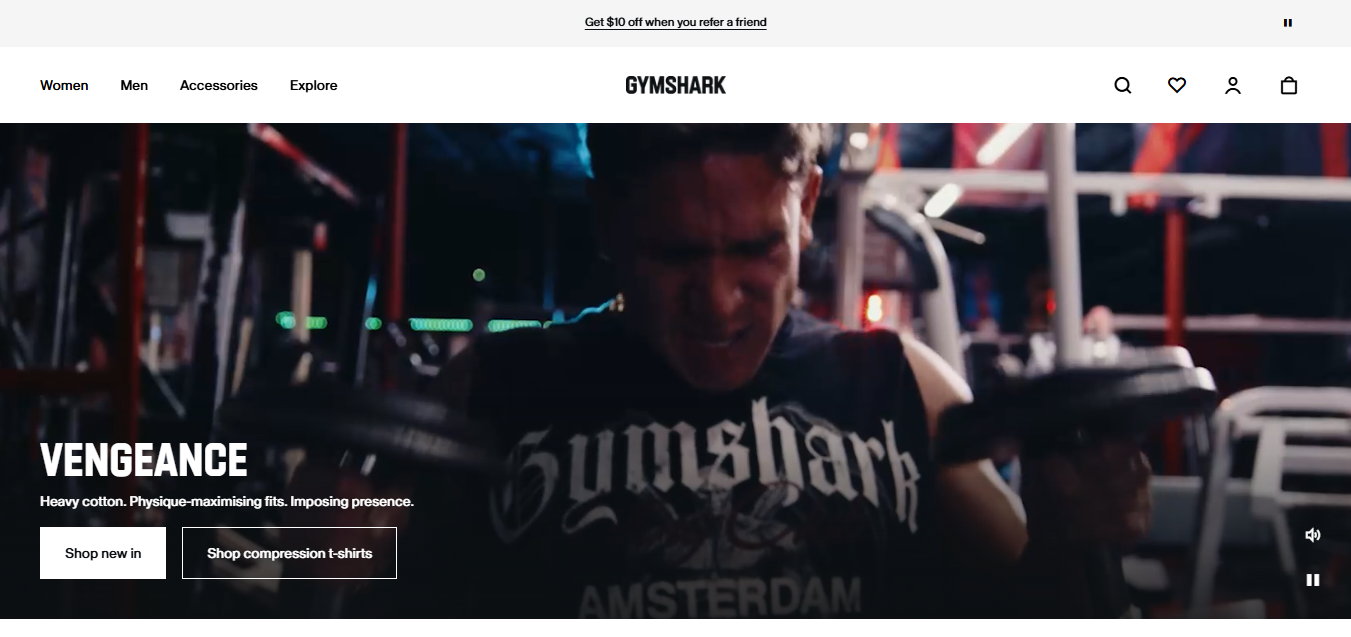
What makes it stand out: Gymshark uses creator partnerships to connect products with an established interest in fitness. Its approach shows how community engagement can support product discovery and repeat customer interaction. Ecommerce companies can apply this lesson by working with creators who genuinely understand their target audience.
2. SKIMS: Best for Celebrity Branding and Inclusive Fashion
SKIMS is a fashion brand recognized for inclusive sizing, celebrity influence, and distinctive shapewear. Kim Kardashian cofounded the company in 2019 with a focus on underwear and shapewear. Its product range now includes loungewear, apparel, and activewear.
SKIMS combines celebrity visibility with product launches and social media campaigns. The brand also invests in physical retail and international expansion. In November 2025, Goldman Sachs reported a $225 million financing round valuing SKIMS at $5 billion.
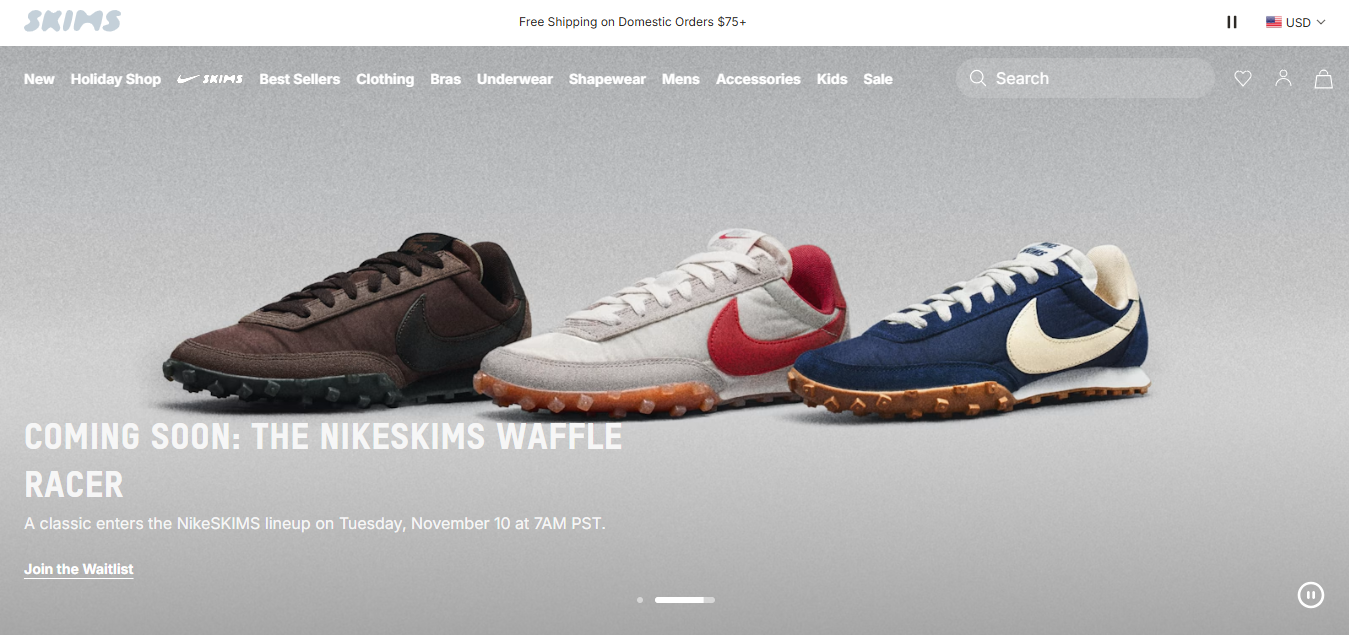
What makes it stand out: SKIMS uses recognizable branding alongside product development and customer demand. Its retail expansion shows that direct ecommerce brands can grow beyond their original sales channels. The main lesson is to connect brand awareness with products customers have clear reasons to buy.
3. Quince: Best for Affordable Luxury and Direct Pricing
Quince is a direct to consumer brand offering premium clothing and home essentials at competitive prices. Founded in 2018, it sells cashmere sweaters, silk clothing, leather accessories, and bedding. Its positioning emphasizes material quality without traditional luxury retail pricing.
Quince highlights manufacturer relationships and pricing comparisons to explain its value proposition. Its website provides product details about materials, construction, and care. This information helps customers compare purchases based on quality and price.
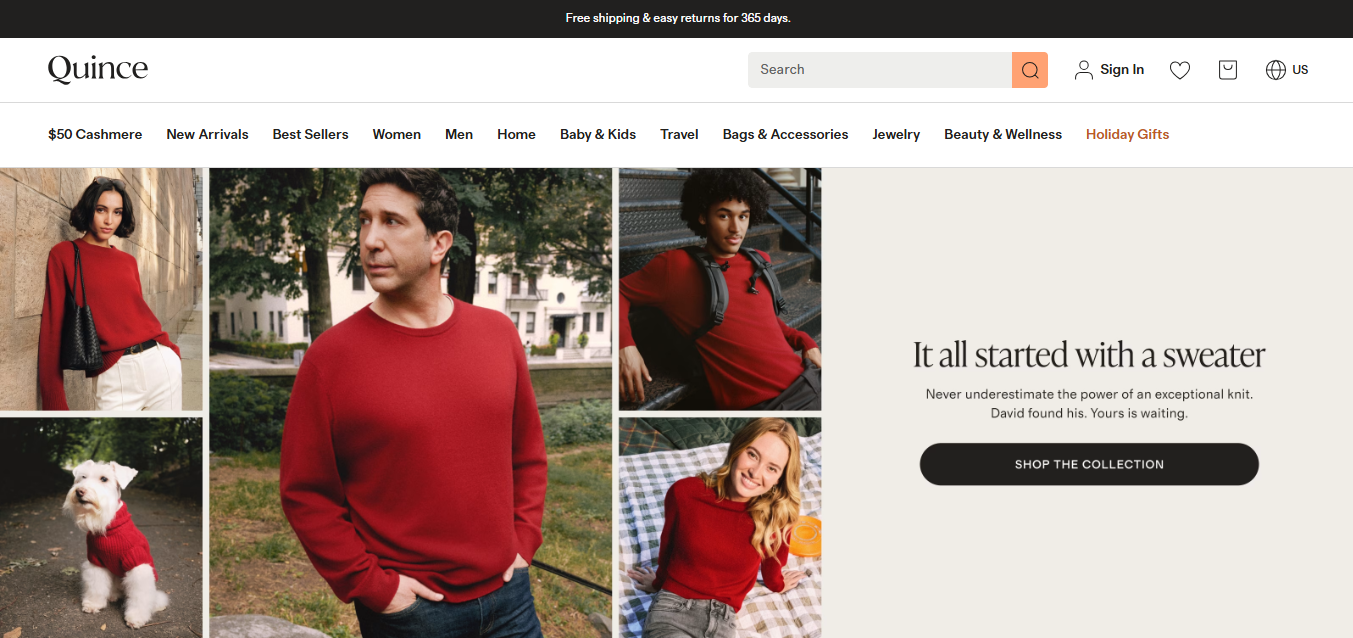
What makes it stand out: Quince makes its pricing approach a central part of its brand identity. It competes through product value rather than relying primarily on celebrity endorsements. Ecommerce businesses can learn from its clear explanation of product quality and pricing.
4. Warby Parker: Best for Eyewear and Customer Experience
Warby Parker is an eyewear brand combining direct online shopping with physical stores and vision services. Founded in 2010, it sells prescription glasses, sunglasses, and contact lenses. Its business model focuses on making eyewear selection and purchasing more convenient.
Customers can explore frames online, use virtual try-on features, or visit physical stores. Warby Parker also offers eye examinations through selected retail locations. According to its 2025 financial results, revenue reached $871.9 million, increasing 13% from 2024.

What makes it stand out: Warby Parker connects digital convenience with professional services and physical retail. This approach helps customers complete purchases through their preferred shopping channel. Its success demonstrates the importance of removing practical barriers from the buying process.
5. Glossier: Best for Community Driven Beauty Marketing
Glossier is a beauty brand recognized for customer engagement, minimalist products, and social media storytelling. Founded in 2014, it grew from Emily Weiss’s beauty publication, Into The Gloss. The company sells makeup, skincare, fragrance, and beauty accessories.
Glossier built its early identity around customer conversations and everyday beauty routines. Its product development and marketing have emphasized feedback and relatable content. The brand later expanded through retail stores and distribution partnerships.
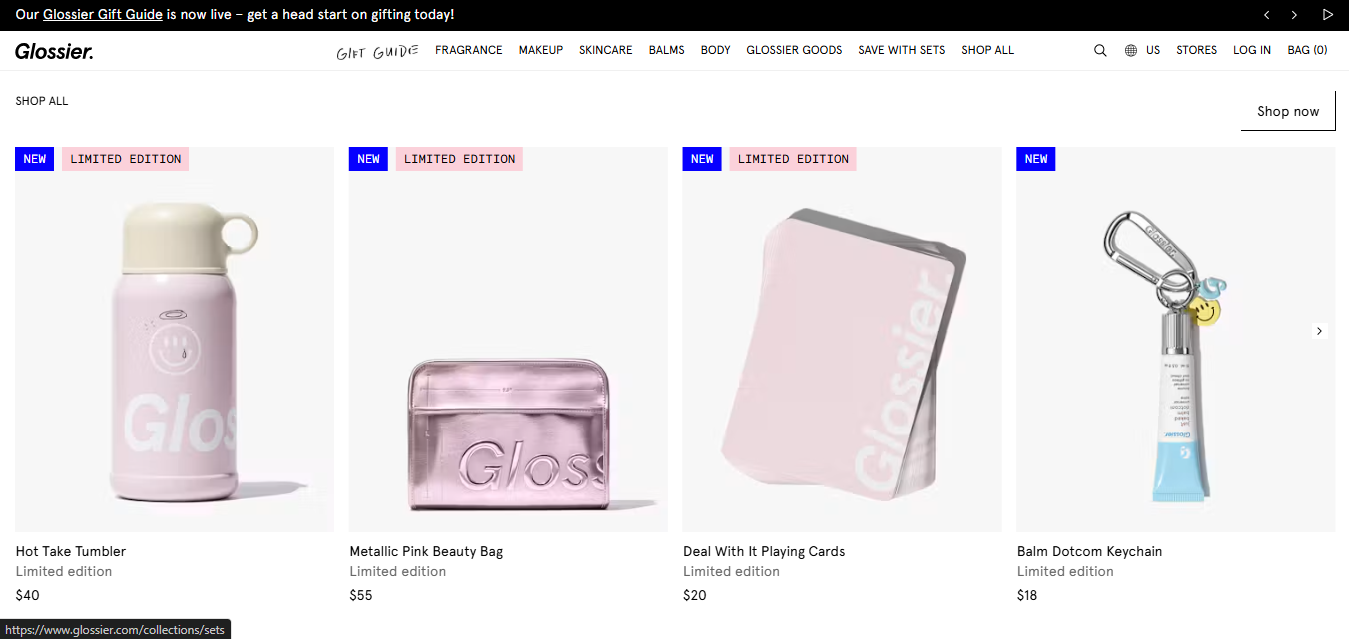
What makes it stand out: Glossier demonstrates how customer participation can shape brand identity and product development. Its marketing encourages people to discuss products rather than simply watch advertisements. Businesses can apply this approach by collecting feedback and responding to customer preferences.
6. Hims & Hers: Best for Personalized Health and Wellness
Hims & Hers is a digital healthcare platform connecting consumers with personalized health services and treatment options. Founded in 2017, it offers online consultations and access to eligible prescription treatments. Its service categories include hair health, dermatology, sexual health, and weight management.
The company combines digital consultations with treatment delivery and recurring purchases. This model reduces the need for some traditional in-person healthcare interactions. Its services remain subject to medical eligibility, professional review, and applicable regulations.

According to its second quarter 2026 report, revenue reached $753.2 million, increasing 38% annually. The company also reported nearly 2.9 million subscribers. These figures demonstrate its scale, although revenue growth alone doesn’t establish profitability.
What makes it stand out: Hims & Hers combines online access with recurring healthcare services. Its model shows how convenience and personalization can influence customer relationships. It also demonstrates why regulatory compliance matters when selling health related services.
7. Oura: Best for Wearable Technology and Subscription Services
Oura is a wearable technology company known for its smart rings and digital health tracking. Founded in Finland in 2013, it develops devices that monitor sleep, activity, and recovery. Its products connect with a mobile application that displays personalized insights.
Customers purchase an Oura Ring and can access additional features through membership. The subscription provides ongoing health analysis and tracking capabilities. This combination creates a continuing relationship between the company and its customers.

What makes it stand out: Oura connects physical products with subscription based digital services. Its business model encourages customers to keep using the product after purchase. Technology brands can study this approach when developing hardware supported by valuable software.
8. Vuori: Best for Premium Activewear and Lifestyle Branding
Vuori is an activewear brand offering premium clothing for fitness, travel, and everyday use. Founded in California in 2015, it sells joggers, leggings, shorts, and performance apparel. Its positioning emphasizes comfort, versatility, and an active lifestyle.
Vuori uses lifestyle content and athlete partnerships to promote its clothing. The company also sells through its website, physical stores, and retail partners. This combination allows customers to discover products through different shopping experiences.
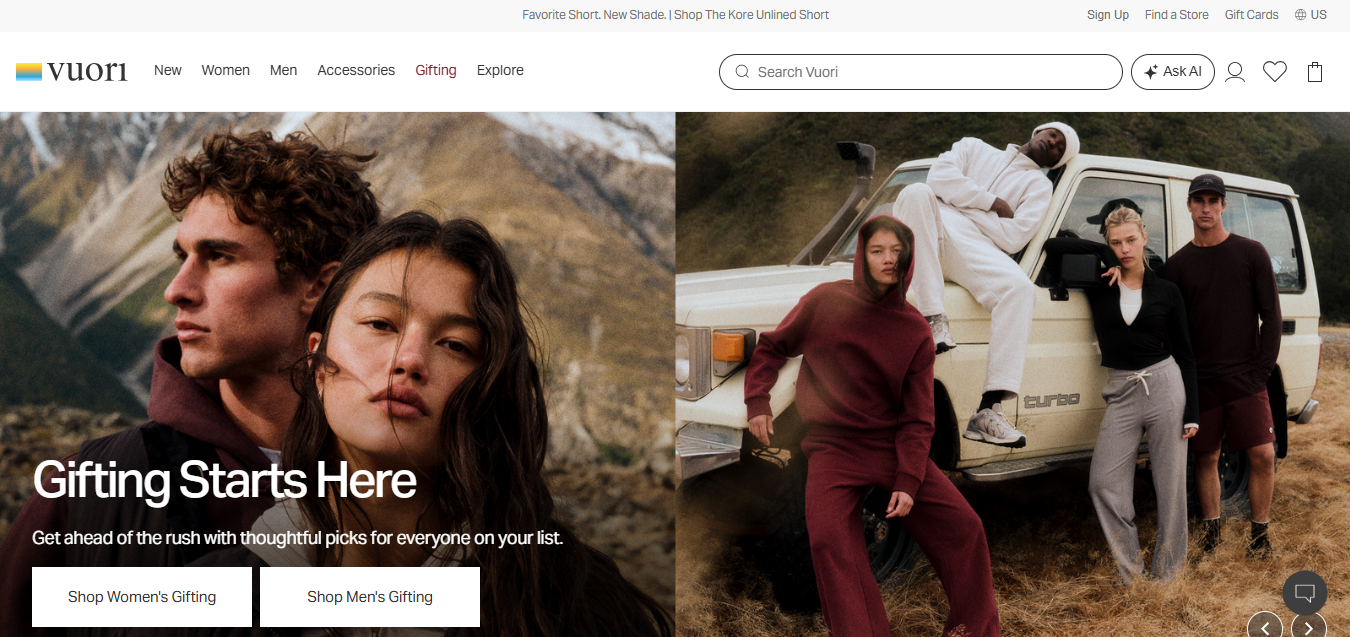
What makes it stand out: Vuori connects performance clothing with everyday comfort and lifestyle positioning. Its products appeal to customers beyond traditional gym audiences. Ecommerce brands can learn how clear product positioning can expand a target market.
9. Rhode: Best for Social Media Driven Skincare
Rhode is a beauty brand known for minimalist skincare, celebrity marketing, and focused product launches. Hailey Bieber cofounded the company in 2022. Its product range includes skincare, lip treatments, blush, and beauty accessories.
Rhode gained recognition through consistent visual branding and social media content. Its marketing connects founder visibility with recognizable products and packaging. In August 2025, e.l.f. Beauty completed its acquisition of Rhode for $800 million upfront, with potential additional payments.
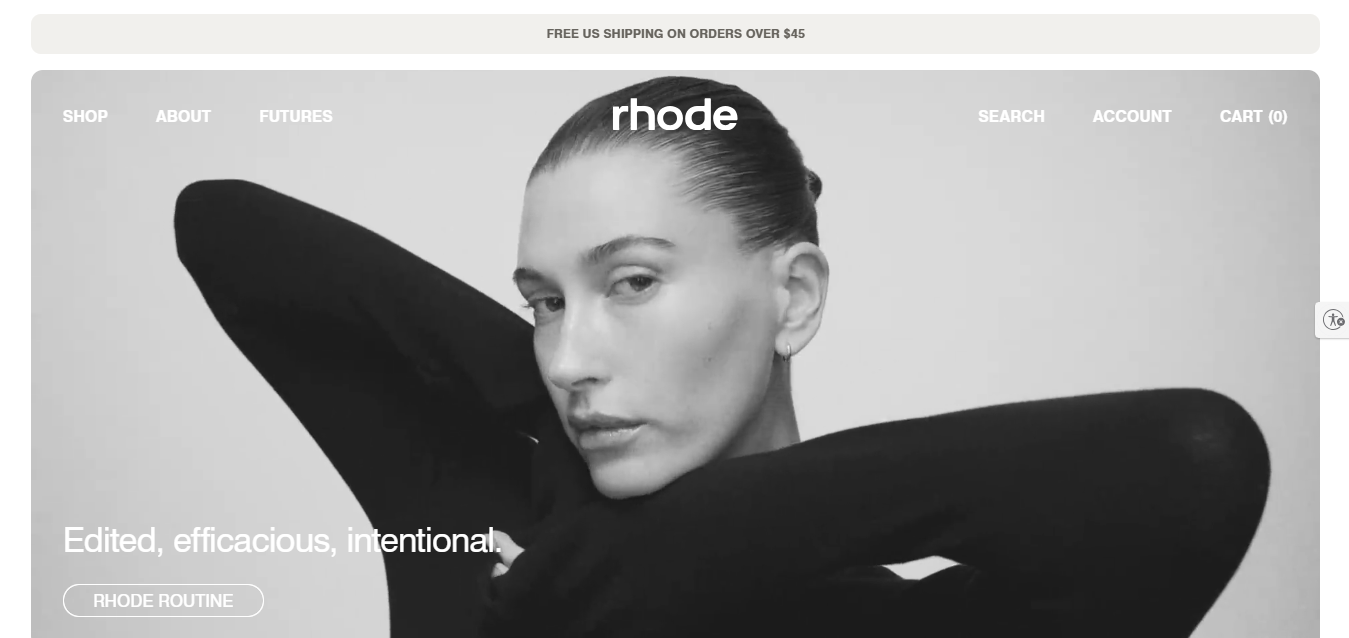
What makes it stand out: Rhode demonstrates how focused product collections can support a recognizable brand identity. Its growth also shows the commercial value of combining product demand with social influence. Although now owned by e.l.f. Beauty, Rhode remains an important DTC brand example.
10. Mejuri: Best for Everyday Jewelry and Omnichannel Retail
Mejuri is a jewelry brand focused on everyday fine jewelry and modern shopping experiences. Founded in 2015, it sells rings, necklaces, bracelets, and earrings. Its messaging encourages customers to purchase jewelry for themselves.
Mejuri combines direct ecommerce with physical stores where customers can try products. The brand uses lifestyle photography and creator partnerships to communicate its positioning. Its retail presence supports customers who prefer seeing jewelry before purchasing.
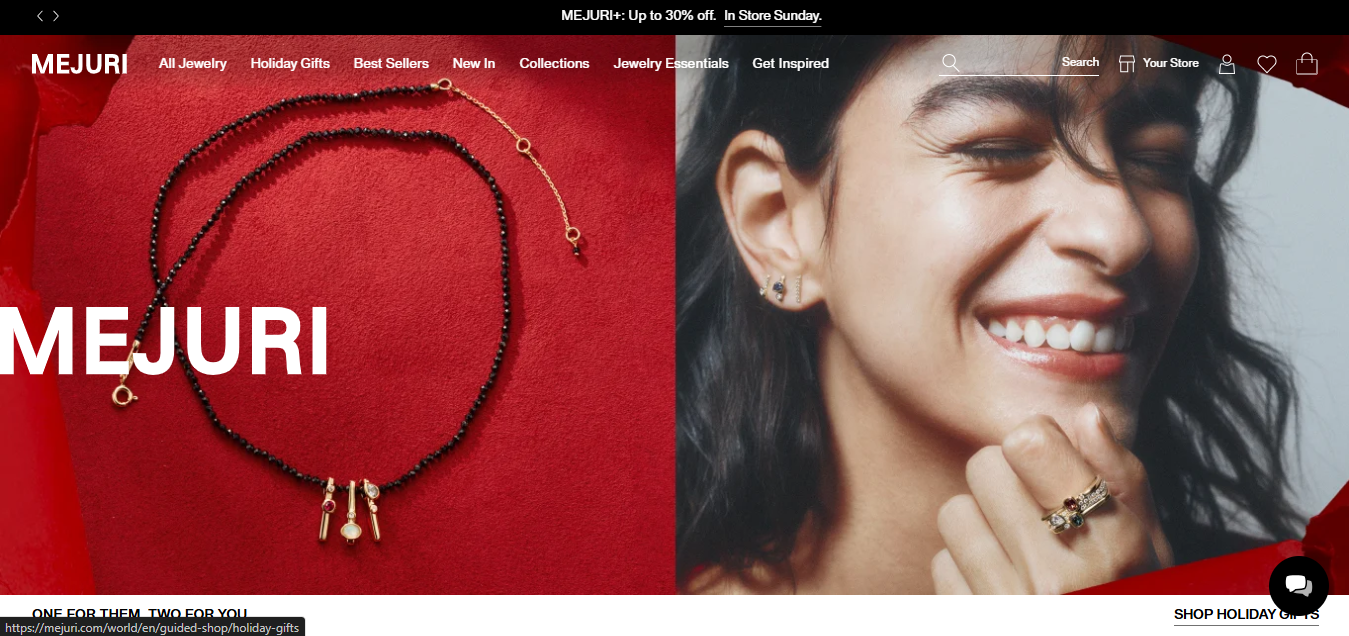
What makes it stand out: Mejuri makes everyday purchasing a central part of its jewelry marketing. Its stores extend the shopping experience beyond its website. The brand demonstrates how direct ecommerce and physical retail can support the same customer relationship.
11. Ruggable: Best for Innovative Home Products
Ruggable is a home decor brand recognized for its washable rug system and practical product design. Founded in 2010, it developed rugs with removable covers and separate pads. The system allows customers to clean compatible rug covers more easily.
Ruggable markets its products to households managing spills, pets, and everyday activity. Its collections include different patterns, sizes, and interior design styles. The company also promotes product functionality through demonstrations and home decor content.
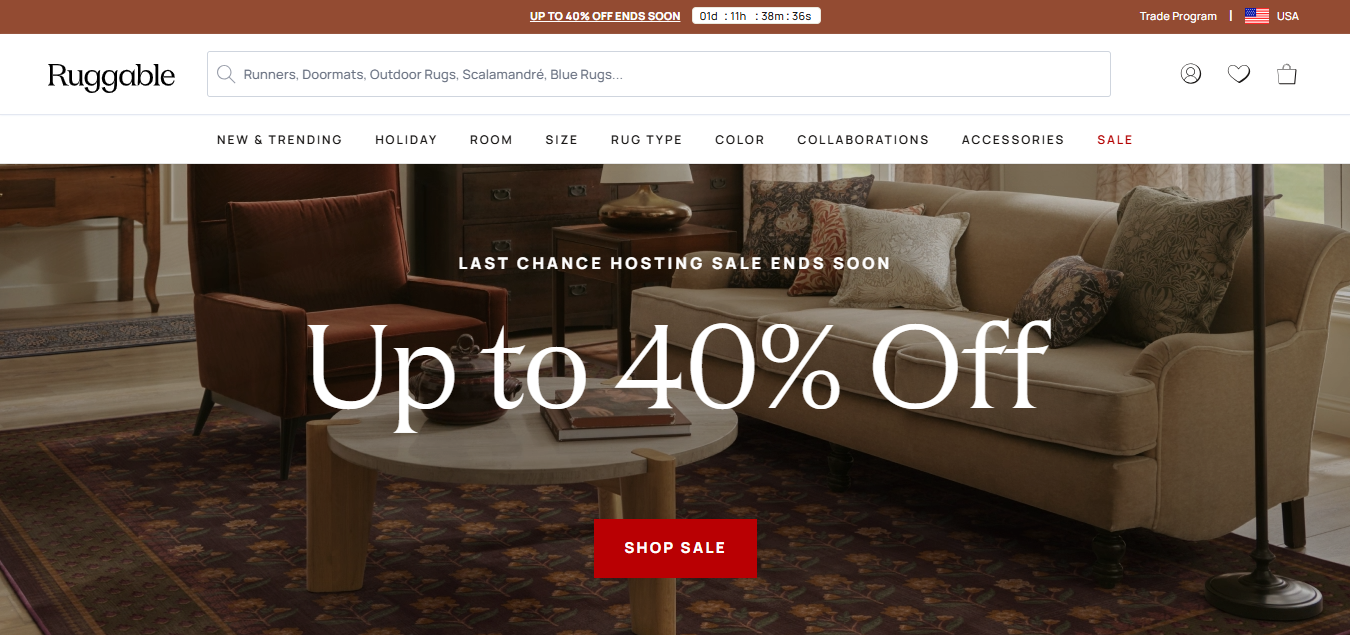
What makes it stand out: Ruggable addresses a specific problem with a clearly differentiated product. Washability gives customers a practical reason to consider its rugs. Ecommerce businesses can apply this lesson by demonstrating how their products solve everyday problems.
12. The Farmer’s Dog: Best for Subscription Based Pet Food
The Farmer’s Dog is a pet food company delivering personalized dog meals through recurring subscriptions. Founded in 2014, it sells prepared food directly to pet owners. Its service starts by collecting information about each dog’s characteristics and feeding needs.
Customers provide details such as age, weight, and activity level. The company uses this information to recommend portions and schedule deliveries. This model combines personalized ordering with recurring purchases.

What makes it stand out: The Farmer’s Dog turns routine pet feeding into a subscription service. Its recurring delivery model supports convenience and ongoing customer relationships. Businesses can learn how personalized recommendations may improve the usefulness of repeat purchase products.
13. Away: Best for Travel Products and Brand Storytelling
Away is a travel brand recognized for minimalist luggage, functional design, and travel focused marketing. Founded in 2015, it sells suitcases, bags, and travel accessories. Its products emphasize practical features and coordinated design.
Away connects its marketing with travel experiences rather than focusing only on luggage specifications. The brand uses travel photography, customer stories, and lifestyle content. It also operates physical stores alongside direct ecommerce.
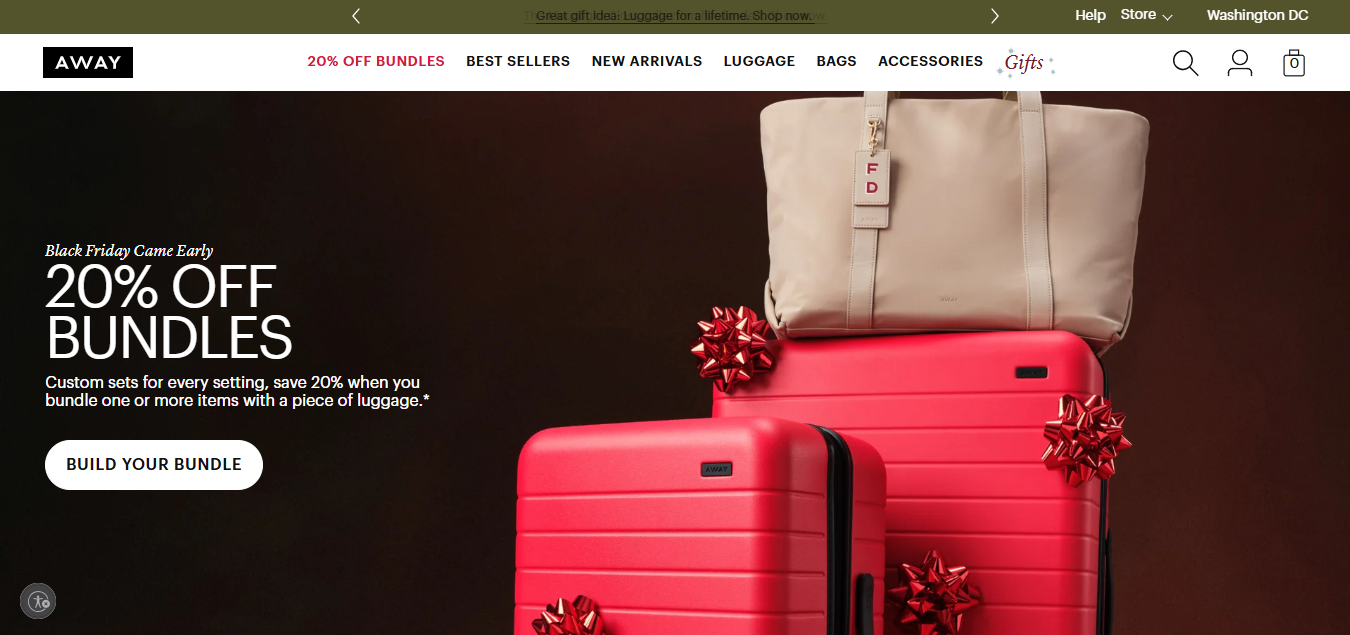
What makes it stand out: Away connects everyday products with the experiences customers associate with travel. Its design consistency makes the brand recognizable across different product categories. Ecommerce businesses can learn how storytelling supports product positioning without replacing functional value.
14. Allbirds: Best for Natural Materials and Sustainable Footwear
Allbirds is a footwear company known for natural materials, simple design, and sustainability focused marketing. Founded in 2016, it became recognized for shoes using merino wool and tree based materials. Its products emphasize comfort, material selection, and environmental considerations.
Allbirds communicate product characteristics through material information and sustainability reporting. The company has also experienced financial pressure and changes to its retail strategy. Its history shows that strong branding does not automatically produce sustainable profits.
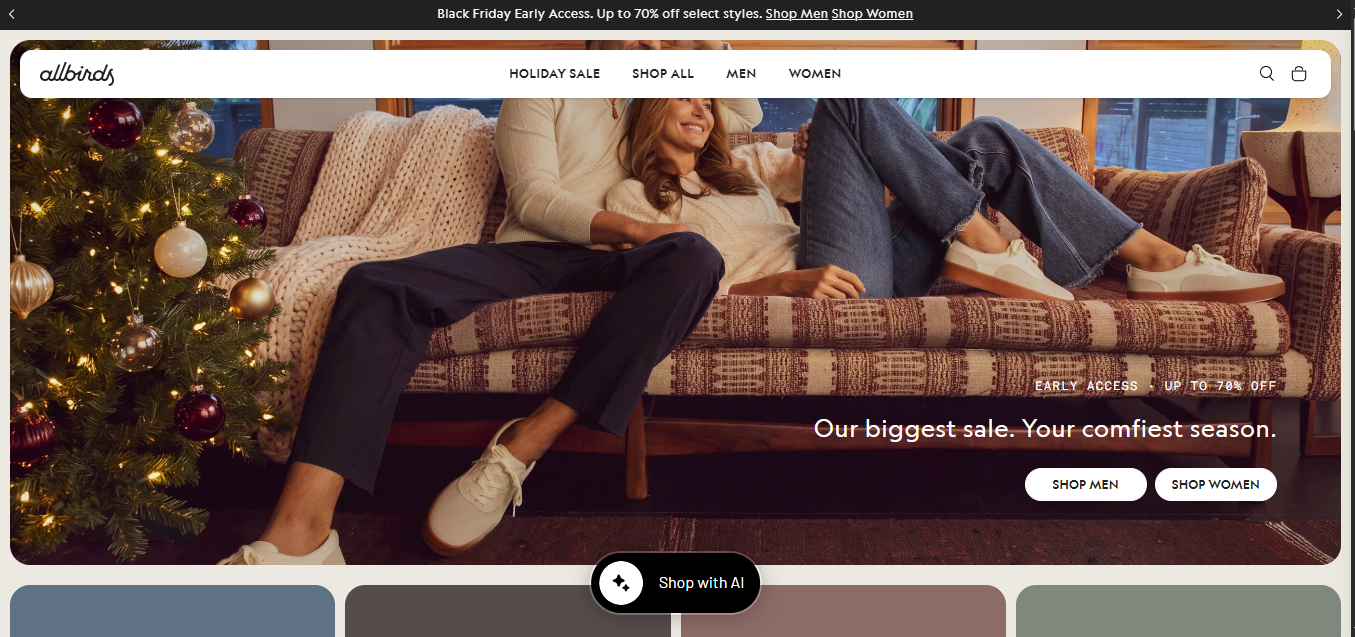
What makes it stand out: Allbirds uses material innovation to differentiate products in a competitive footwear market. Its challenges also provide lessons about balancing brand identity with business economics. Companies studying Allbirds should consider both its product innovation and commercial performance.
15. Ridge: Best for Product Differentiation and Digital Advertising
Ridge is an accessories brand recognized for minimalist wallets and product focused digital advertising. Founded in 2013, it built recognition around compact wallet designs. Its product range also includes travel accessories, phone cases, and everyday carry products.
Ridge uses product demonstrations to communicate features such as compact size and durability. Its marketing includes creator partnerships and digital advertising campaigns. The company also expands into accessories that fit its established brand identity.
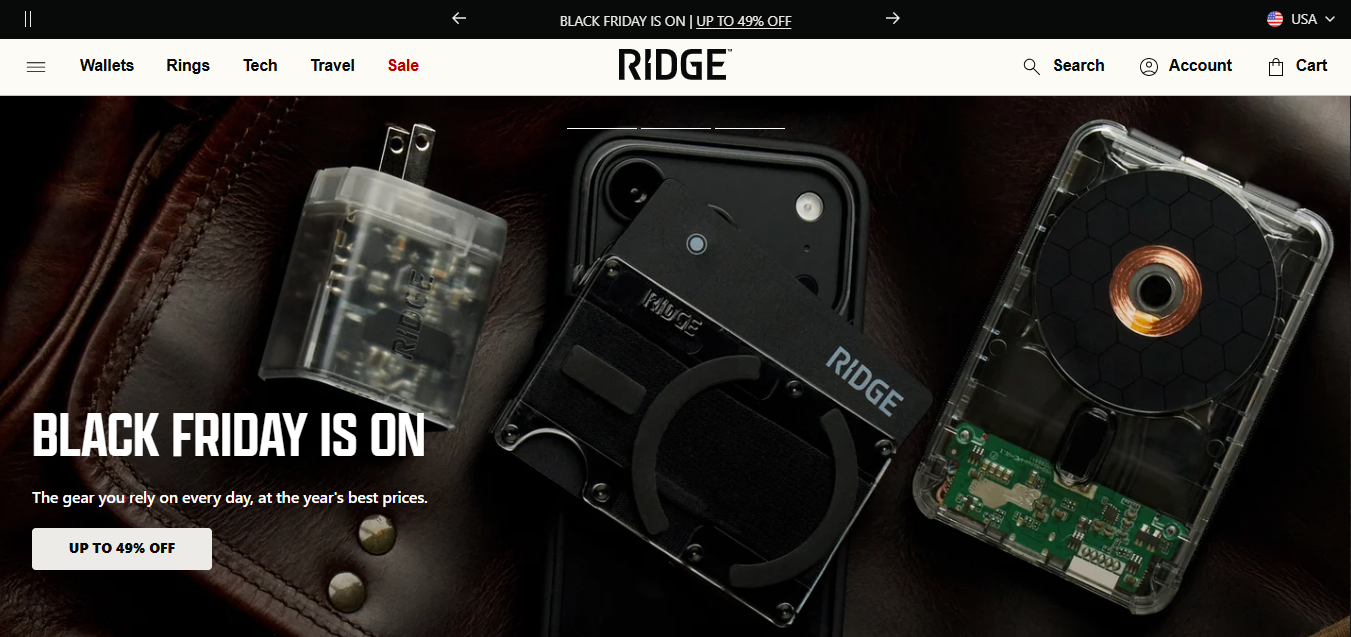
What makes it stand out: Ridge demonstrates how one distinctive product can establish a recognizable brand. Its advertising communicates practical features instead of relying only on visual appeal. Ecommerce founders can study its approach to presenting product benefits clearly.
16. Brooklinen: Best for Home Essentials and Customer Experience
Brooklinen is a home essentials brand specializing in bedding, towels, and household comfort products. Founded in 2014, it initially focused on selling bedding directly online. Its products include sheets, duvet covers, bath towels, and related accessories.
Brooklinen uses product descriptions and customer reviews to explain material differences and product benefits. Its website helps shoppers compare bedding choices based on comfort and preferences. Physical retail also allows customers to experience products before purchasing.
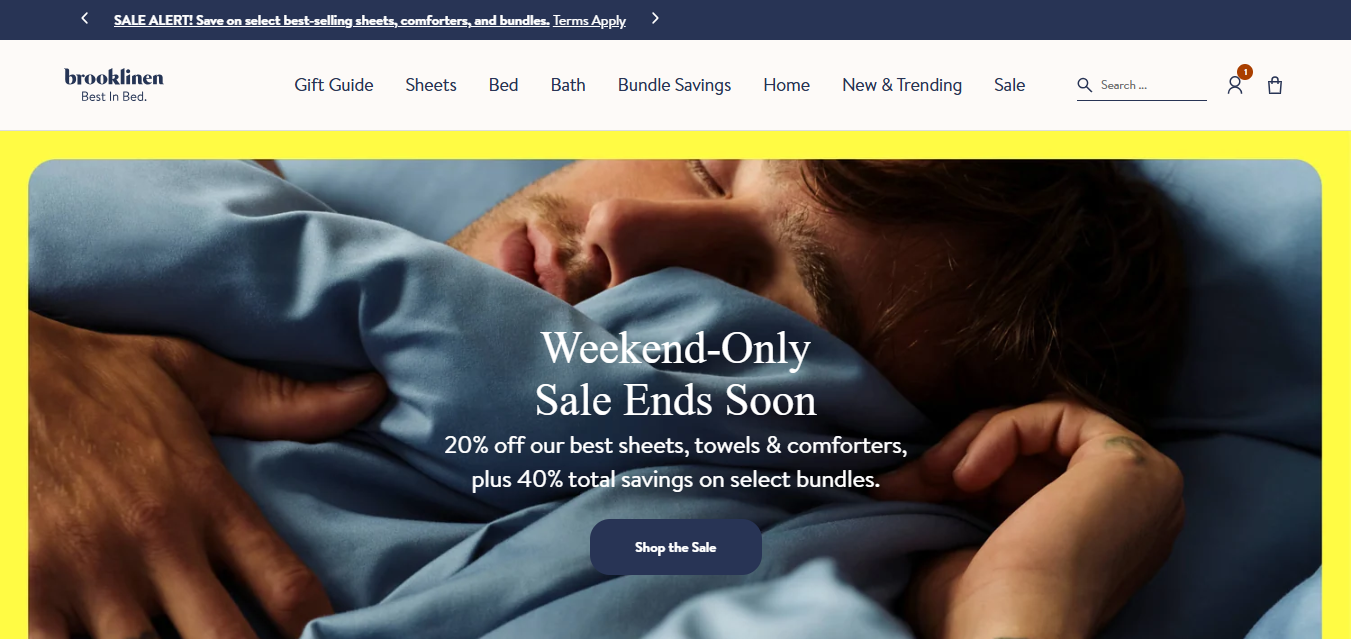
What makes it stand out: Brooklinen simplifies a product category where buyers often compare materials and comfort. Its customer experience emphasizes education and easy product selection. Home ecommerce companies can learn from its approach to explaining product differences.
17. Dr. Squatch: Best for Creative Advertising and Personal Care
Dr. Squatch is a personal care brand recognized for humorous advertising and distinctive grooming products. Founded in 2013, it originally focused on bar soap. Its product range expanded into deodorant, hair care, body wash, and fragrances.
Dr. Squatch uses comedy, memorable product demonstrations, and creator collaborations in its marketing. The brand also sells through direct ecommerce and traditional retail channels.
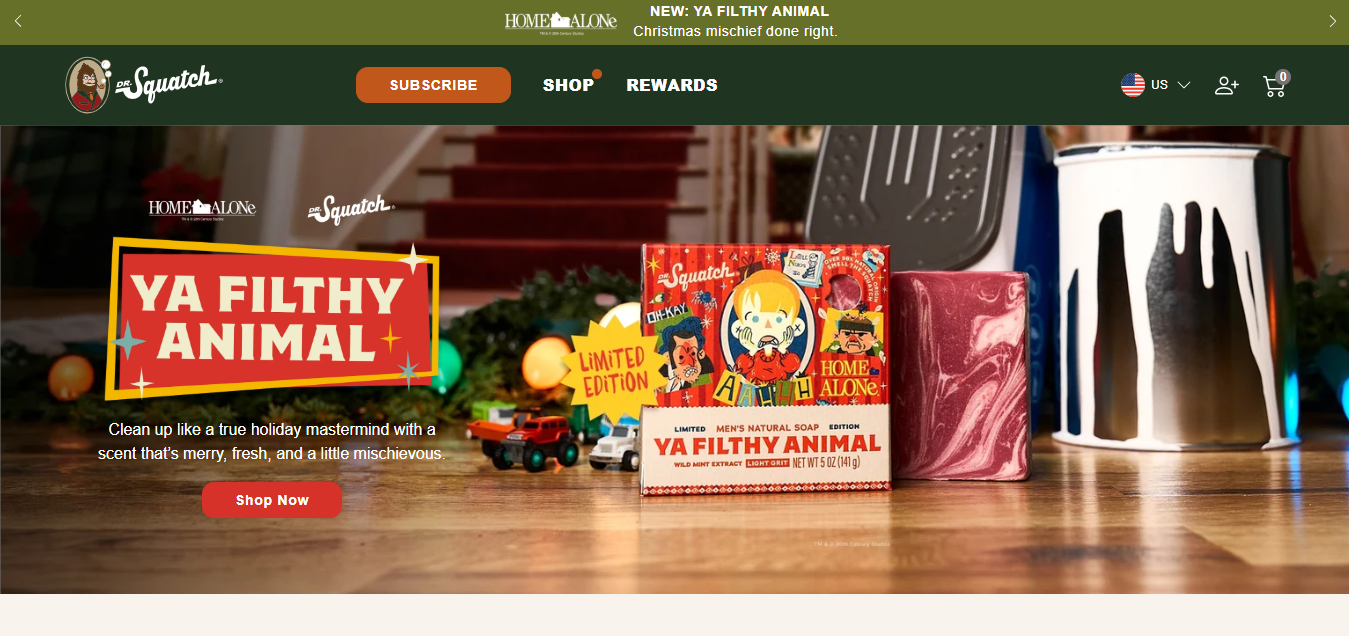
What makes it stand out: Dr. Squatch turns everyday personal care products into recognizable advertising content. Its brand personality helps distinguish products in a crowded category. Marketers can learn how consistent creative messaging supports product recognition.
18. Our Place: Best for Kitchenware and Lifestyle Marketing
Our Place is a kitchenware brand recognized for multifunctional cookware, colorful designs, and food focused storytelling. Founded in 2019, it became known for its Always Pan. Its catalog includes cookware, dinnerware, and kitchen accessories.
Our Place markets its products around home cooking and shared meals. Its advertising combines practical product demonstrations with lifestyle photography and creator content. The company also uses recognizable colors and designs across its product collections.
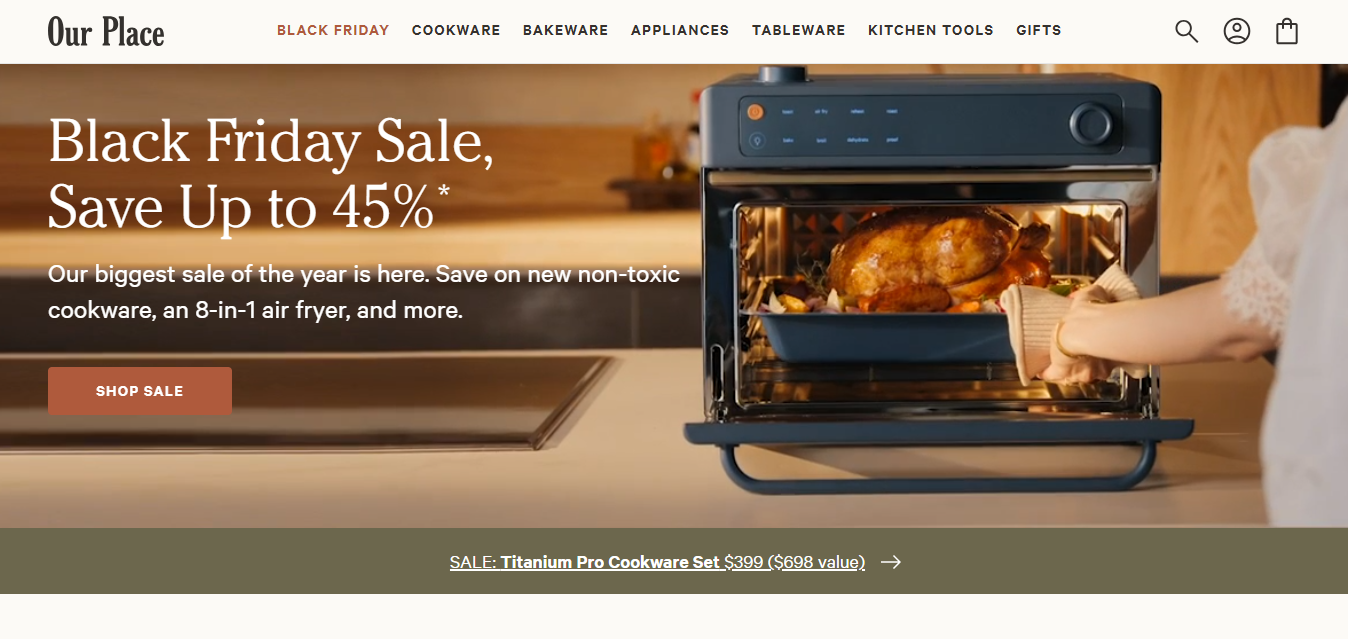
What makes it stand out: Our Place combines functional cookware with a consistent visual identity. Its marketing connects kitchen products with familiar everyday experiences. Ecommerce businesses can study how product design and storytelling work together.
19. WHOOP: Best for Fitness Technology and Memberships
WHOOP is a wearable fitness technology company built around continuous tracking and paid memberships. Founded in 2012, it develops sensors that measure activity, sleep, and recovery. Its application turns collected information into personalized fitness insights.
WHOOP offers three main membership tiers: One, Peak, and Life. According to its official 2026 pricing guide, the tiers offer different monitoring features and hardware. Continued access to the platform forms a central part of its business model.
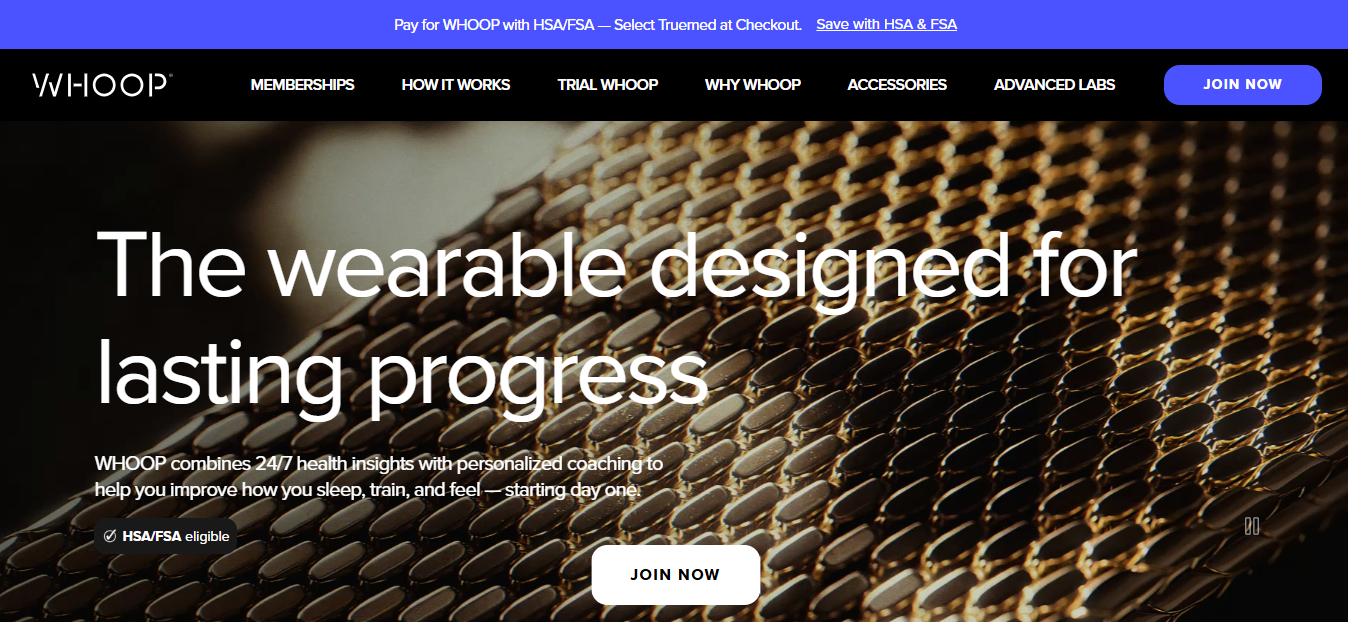
What makes it stand out: WHOOP prioritizes an ongoing service relationship rather than only a device purchase. Its membership approach connects hardware with continuously available digital features. Fitness technology companies can study how recurring software value supports product engagement.
20. Olipop: Best for Innovative Beverages and Retail Expansion
Olipop is a beverage brand recognized for prebiotic soda and distinctive product positioning. Founded in 2018, it offers flavored drinks inspired by familiar soda varieties. Its marketing emphasizes taste, ingredients, and recognizable packaging.
Olipop sells through its website, grocery stores, and major retail partners. This distribution approach extends its reach beyond direct online sales. Its brand positioning also connects familiar soda flavors with a different ingredient profile.
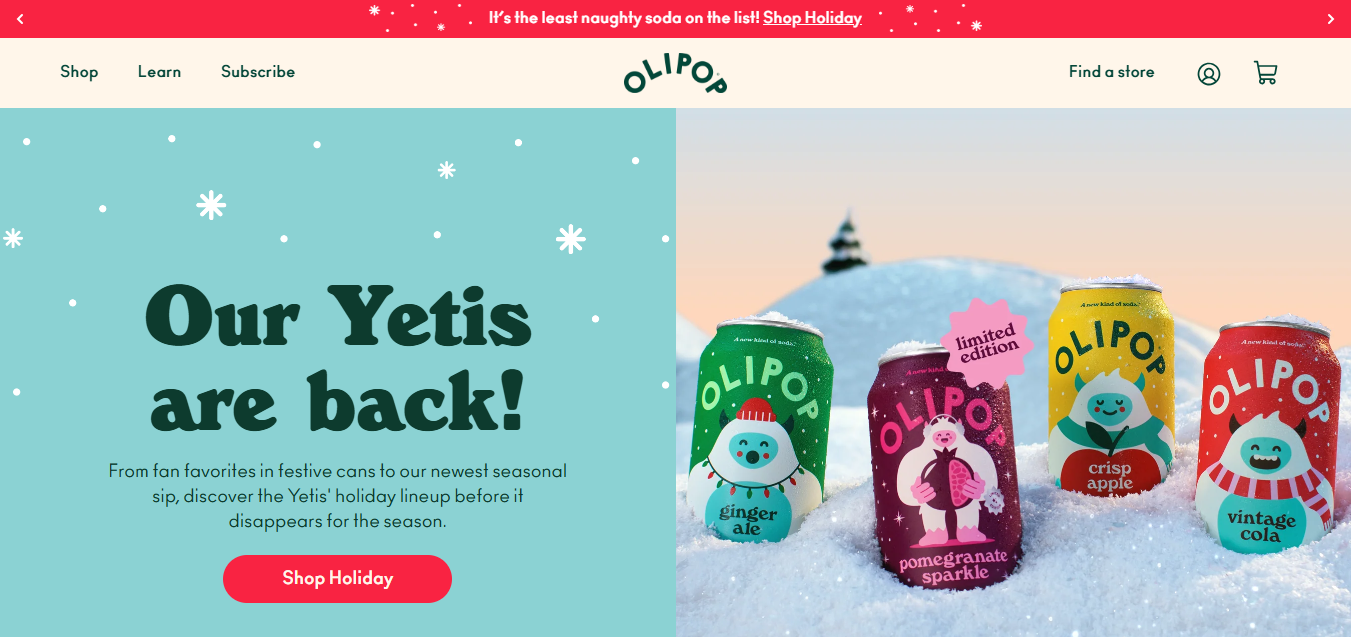
What makes it stand out: Olipop demonstrates how product differentiation can support expansion into broader retail distribution. Its familiar flavors make the product category easier for customers to understand. The company provides a useful example of an ecommerce oriented brand growing through wholesale partnerships.
How We Selected the Top DTC Brands
We selected these 20 DTC brands using five factors: recognition, product differentiation, marketing, customer experience, and business relevance. The selection includes established companies like Warby Parker and newer examples like Rhode. We also considered whether each company offers a useful lesson for ecommerce owners and marketers.
Brand recognition helped identify companies with meaningful consumer visibility. Product differentiation highlighted businesses like Ruggable, Oura, and Ridge that offer recognizable solutions. Marketing effectiveness helped distinguish examples such as Gymshark, Glossier, and Dr. Squatch.
We considered available business evidence, including public financial disclosures and documented company developments. For instance, Warby Parker reported $871.9 million in 2025 revenue, while Hims & Hers reported $753.2 million for Q2 2026. However, private company financial information is not equally available across every brand.
This is an editorial selection, not a financial ranking or an independently measured top 20 leaderboard. The companies were chosen for different strengths rather than identical performance metrics. Their inclusion doesn’t imply equal revenue, profitability, or growth.
Which DTC Brands Are Best by Industry?
The best DTC brands depend on the industry, product category, and business goal being considered. Gymshark stands out for fitness communities, while Glossier offers an example of beauty community marketing. Comparing companies within relevant categories makes their strategies easier to understand.
Best DTC Fashion, Beauty, and Skincare Brands
Gymshark, SKIMS, Quince, Glossier, and Rhode are notable DTC examples in fashion, beauty, and skincare. Gymshark emphasizes fitness creators, while SKIMS combines celebrity marketing with recognizable apparel. Quince differentiates itself through material quality and direct pricing.
Glossier emphasizes community engagement and customer conversations in beauty marketing. Rhode uses founder visibility, focused collections, and distinctive packaging. These examples demonstrate different approaches to product positioning and customer discovery.
Best DTC Health, Wellness, and Fitness Brands
Hims & Hers, Oura, and WHOOP represent different approaches to direct consumer health and fitness services. Hims & Hers provides digital healthcare access and eligible treatment services. Oura combines smart rings with subscription based wellness insights.
WHOOP connects continuous fitness tracking with paid memberships. These companies show how digital services can extend customer relationships beyond one purchase. Their business models also require ongoing attention to customer trust, data protection, and service quality.
Best DTC Home, Food, and Pet Brands
Ruggable, Brooklinen, Our Place, Olipop, and The Farmer’s Dog are notable brands across home and consumer products. Ruggable focuses on washable rugs, while Brooklinen emphasizes bedding and home comfort. Our Place differentiates cookware through design and multifunctional features.
Olipop combines differentiated beverages with broad retail distribution. The Farmer’s Dog uses personalized meal plans and recurring deliveries. Each business addresses a different purchasing need through product positioning, convenience, or continued service.
What Makes the Most Successful DTC Brands Stand Out?
Successful DTC brands typically combine clear product positioning, effective marketing, customer experience, and sustainable business operations. Gymshark, Warby Parker, and Oura demonstrate these strengths through different business models. Their approaches show why direct customer relationships can support growth when managed effectively.
Strong Branding, Product Quality, and Customer Experience
Strong branding helps DTC companies explain what makes their products different from competing alternatives. Quince emphasizes materials and pricing, while Ruggable focuses on washable rug design. Warby Parker combines product selection with convenient shopping and vision services.
Product quality must also support the expectations created by advertising. Clear descriptions, reliable delivery, and responsive support influence customer satisfaction. Businesses should ensure their products deliver the benefits promised through marketing.
Influencer Marketing, Social Media, and Community Building
Influencer marketing helps DTC brands reach relevant audiences through creators with established communities. Gymshark uses fitness creators, while Rhode benefits from founder visibility and beauty content. SKIMS combines celebrity influence with product marketing and retail expansion.
However, creator popularity alone doesn’t prove that a campaign is profitable. Brands should measure website visits, conversion rates, customer acquisition costs, and repeat purchases. These measurements reveal whether marketing attention produces valuable customer relationships.
Customer Retention, Subscriptions, and Omnichannel Growth
Customer retention helps DTC businesses reduce their dependence on acquiring a new buyer for every sale. The Farmer’s Dog uses recurring deliveries, while Oura and WHOOP provide subscription based digital services. These models depend on delivering enough ongoing value to justify continued payments.
Omnichannel expansion provides another route to growth. Warby Parker, Mejuri, and Vuori connect ecommerce with physical shopping experiences. This approach can improve convenience, although stores introduce additional operating costs.
What Can Ecommerce Businesses Learn From Top DTC Brands?
Ecommerce businesses can learn five practical lessons from DTC brands like Gymshark, Quince, and Warby Parker. The most useful ideas involve product differentiation, customer acquisition, retention, and financial measurement. These principles can apply to smaller businesses without copying another company’s entire strategy.
1. Define a clear brand position. Gymshark connects its products with fitness culture, while Quince emphasizes value and material quality. Start by identifying one meaningful reason customers should choose your business.
2. Solve a recognizable customer problem. Ruggable offers washable rugs, while Warby Parker provides convenient eyewear shopping. Describe product benefits using simple explanations that match customer needs.
3. Choose marketing channels carefully. Gymshark uses fitness creators, while Rhode emphasizes social media and founder visibility. Test channels that reach your audience before increasing spending.
4. Encourage repeat purchases where appropriate. The Farmer’s Dog uses scheduled meal delivery, while WHOOP provides continuing membership services. Select retention methods that provide ongoing customer value rather than forcing subscriptions onto unsuitable products.
5. Measure business performance. Track customer acquisition cost, average order value, gross margin, and repeat purchase rate. These measurements help determine whether increased sales create sustainable financial results.
Emerging DTC Brands and Trends to Watch in 2026
Important DTC trends in 2026 include creator partnerships, personalized services, subscriptions, and omnichannel retail expansion. These developments influence how ecommerce companies attract customers and distribute products. They also show why direct customer engagement remains important even as brands expand beyond their websites.
Creator Led Branding and Focused Product Launches
Brands like Rhode demonstrate the connection between creator visibility and product demand. Focused product collections can make marketing messages easier to understand. However, businesses still need reliable products and customer service to maintain demand.
Subscription Services and Personalized Experiences
Oura, WHOOP, and The Farmer’s Dog demonstrate different recurring revenue approaches. Their services combine physical products with continued digital access or scheduled deliveries. Subscription growth depends on customer satisfaction and the value customers receive over time.
Omnichannel Retail Expansion
Warby Parker, Vuori, and Olipop demonstrate how DTC oriented businesses expand beyond direct online sales. Physical stores and wholesale partners can introduce products to additional customers. However, these channels require careful management of margins, inventory, and operating expenses.
What Are the Biggest Challenges Facing DTC Brands?
The biggest DTC challenges include customer acquisition expenses, profitability, inventory management, and customer retention. Paid advertising can become expensive when brands compete for the same audience. Shipping costs, returns, and fulfillment expenses also affect profit margins.
Strong revenue growth doesn’t always translate into profitability. For example, Hims & Hers reported an $86.3 million net loss in Q2 2026, despite 38% annual revenue growth. Businesses should assess acquisition costs, gross margins, and cash flow alongside sales performance.
Frequently Asked Questions About DTC Brands
What Is the Difference Between DTC and Traditional Retail?
DTC brands sell directly to consumers, while traditional retail commonly involves independent sellers and distributors. Gymshark emphasizes direct brand relationships, while many traditional manufacturers depend on third-party retail distribution. Some companies, including Warby Parker and Vuori, combine both approaches.
Which DTC Brands Are Growing the Fastest?
Hims & Hers is one DTC focused company with publicly reported growth, reaching 38% annual revenue growth in Q2 2026. However, a reliable fastest growing ranking requires comparable financial data across companies. Private brands often disclose less information than publicly traded businesses.
Are DTC Brands More Affordable Than Retail Brands?
DTC brands aren’t automatically cheaper than traditional retail alternatives. Quince emphasizes competitive pricing, while Vuori and SKIMS use premium positioning. Actual value depends on product quality, delivery charges, returns, and the purchase price.
Can DTC Brands Sell Through Physical Stores?
Yes, DTC brands can operate physical stores while continuing to sell through their own websites. Warby Parker, Mejuri, and Vuori demonstrate this approach. Physical retail can improve product discovery and customer convenience, but it also increases operating responsibilities.
Are DTC Brands Profitable?
Some DTC brands are profitable, while others experience losses despite growing sales. Warby Parker reported $1.6 million in net income for 2025, according to its financial results. Profitability depends on revenue, product margins, customer acquisition spending, and operating costs.
Final Thoughts
The top DTC brands in 2026 show how product differentiation, clear marketing, and customer experience influence business growth. Gymshark offers lessons in community building, while Warby Parker demonstrates convenient omnichannel shopping. The most useful approach is to study these differences and apply strategies that fit your customers and business model.