

Publishing a book is only half the challenge. Getting the right readers to notice it is harder. Many authors try advertising, social media, and promotions without seeing enough return.
Poor marketing can waste money, time, and valuable launch momentum. It can also make choosing professional help feel confusing. That is why authors compare top book marketing companies before committing their budgets.
This article reviews 10 options for authors and publishers. You will compare their services, pricing approaches, strengths, and ideal use cases. You will also learn how to choose a company that fits your book and goals.
Top Book Marketing Companies
The top book marketing companies include Normans Publishing, Faith Bridge Publishers, Smith Publicity, MindStir Media, and six other providers. They cover needs such as publicity, Amazon advertising, reader promotion, launch planning, and author branding. The right option depends on your genre, publishing route, budget, and campaign objective.
1. Normans Publishing
Normans Publishing combines publishing support with book marketing services. Its model can suit authors who want editing, design, publishing, distribution, and promotion through one provider. Authors should confirm exact marketing deliverables and advertising costs before choosing a package.
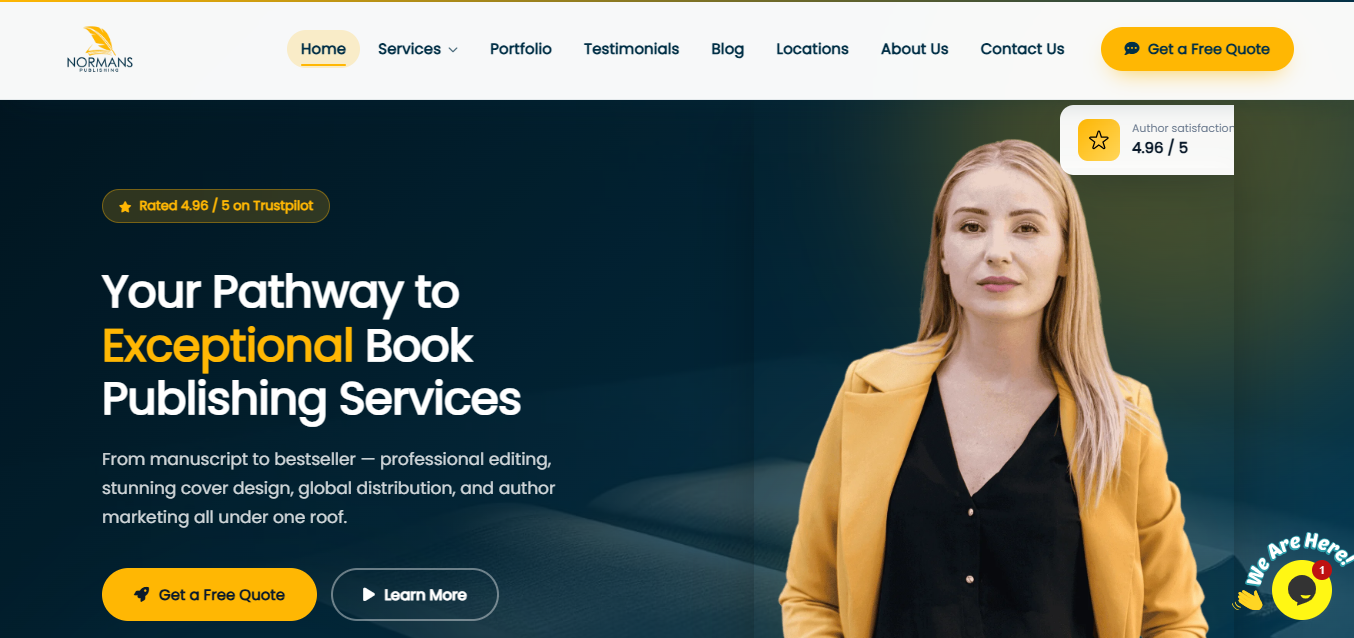
The company promotes services connected with book launches, Amazon visibility, social promotion, and broader publishing support. This structure may appeal to authors who prefer one company handling several stages. It is less comparable with specialist platforms that focus only on reader promotions or advertising.
2. Faith Bridge Publishers
Faith Bridge Publishers focuses on publishing and marketing support for Christian authors. Its audience includes writers such as pastors, ministry leaders, devotional authors, and Christian novelists. Services can include Amazon optimization, publicity, social promotion, branding, and outreach.
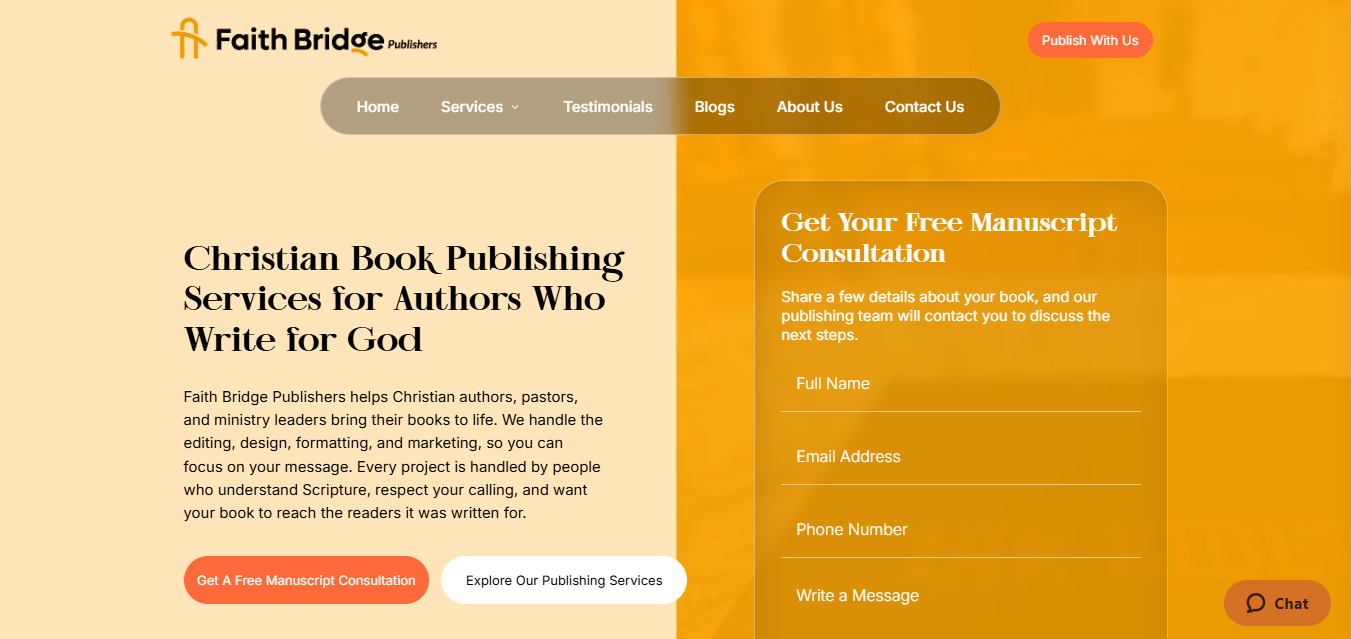
Faith Bridge is most relevant when faith based positioning matters to the campaign. Its specialization can help authors who need marketing aligned with Christian readers and communities. Authors outside that market should compare broader agencies before deciding.
3. Smith Publicity
Smith Publicity specializes in book publicity, media relations, expert positioning, and author visibility. Its current focus includes nonfiction areas such as business, leadership, wellness, personal development, public affairs, and social impact. Campaigns can include digital media, print coverage, podcasts, broadcast interviews, and speaking visibility.
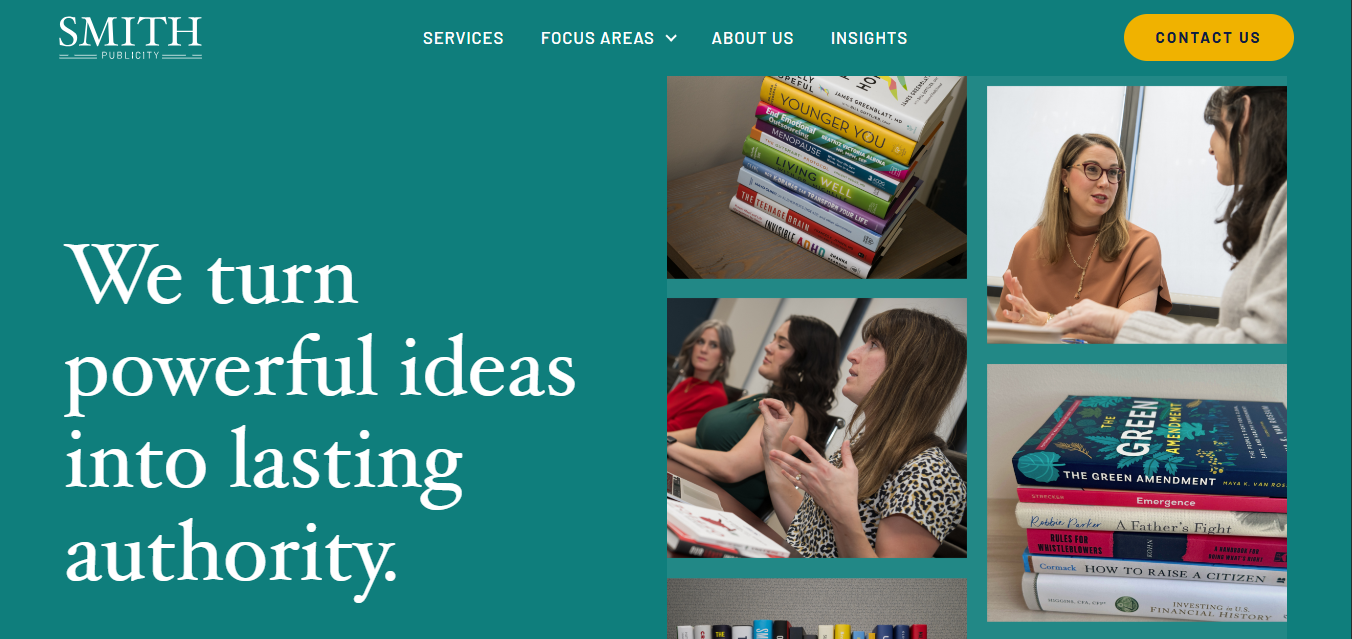
Smith Publicity is better suited to authors seeking credibility and media exposure than discounted ebook promotions. It also works with publishers on individual launches and broader catalog campaigns. Business authors can use this approach to support books alongside thought leadership and professional positioning.
4. MindStir Media
MindStir Media provides managed book advertising, publicity, and promotional services. Its current Amazon Ads package costs $2,500 for a two month campaign. The package includes keyword selection, audience targeting, bid management, daily monitoring, and final reporting.
MindStir can suit authors who prefer a provider to manage specific promotional activities for them. Its services cover different goals, so authors should compare each package separately. Advertising management should also be distinguished from the actual advertising budget.
5. The Book Marketer
The Book Marketer provides marketing guidance and campaign support for authors and small publishers. Its approach covers areas such as launch strategy, Amazon visibility, publicity, metadata, social promotion, and author positioning. This can suit writers who want practical guidance rather than one fixed promotion format.
Authors should compare whether they need consulting, managed execution, or individual marketing services. A first time author may need broader strategic help than an experienced writer running one campaign. Clear deliverables are more useful than choosing a package based only on its name.
6. Reedsy
Reedsy connects authors with vetted freelance marketing professionals instead of operating as one traditional agency. Available expertise includes marketing strategy, email marketing, advertising, and other specialist work. Authors can therefore hire focused help without purchasing a full agency campaign.
Reedsy currently lists guide prices of $1,300 to $2,500 for marketing strategy projects in 2026. Email marketing projects are listed from $900 to $2,000. These figures are guide prices, so individual professionals may quote differently.
7. BookBub
BookBub is a reader promotion platform rather than a full service marketing agency. Its Featured Deals promote discounted books through emails, its website, and its apps. Eligible titles must usually be discounted by at least 50 percent.
Pricing varies by category, book price, and regional availability. For example, current United States Featured Deal pricing for children’s books starts at $122 for free titles. Crime fiction pricing starts at $758 for free titles and rises with the sale price.
8. Written Word Media
Written Word Media helps authors reach readers through targeted promotions, email marketing, and author marketing tools. Its reader brands include Freebooksy, Bargain Booksy, Red Feather Romance, NewInBooks, and AudioThicket. The company reports serving more than 45,000 authors and over 1.5 million readers.
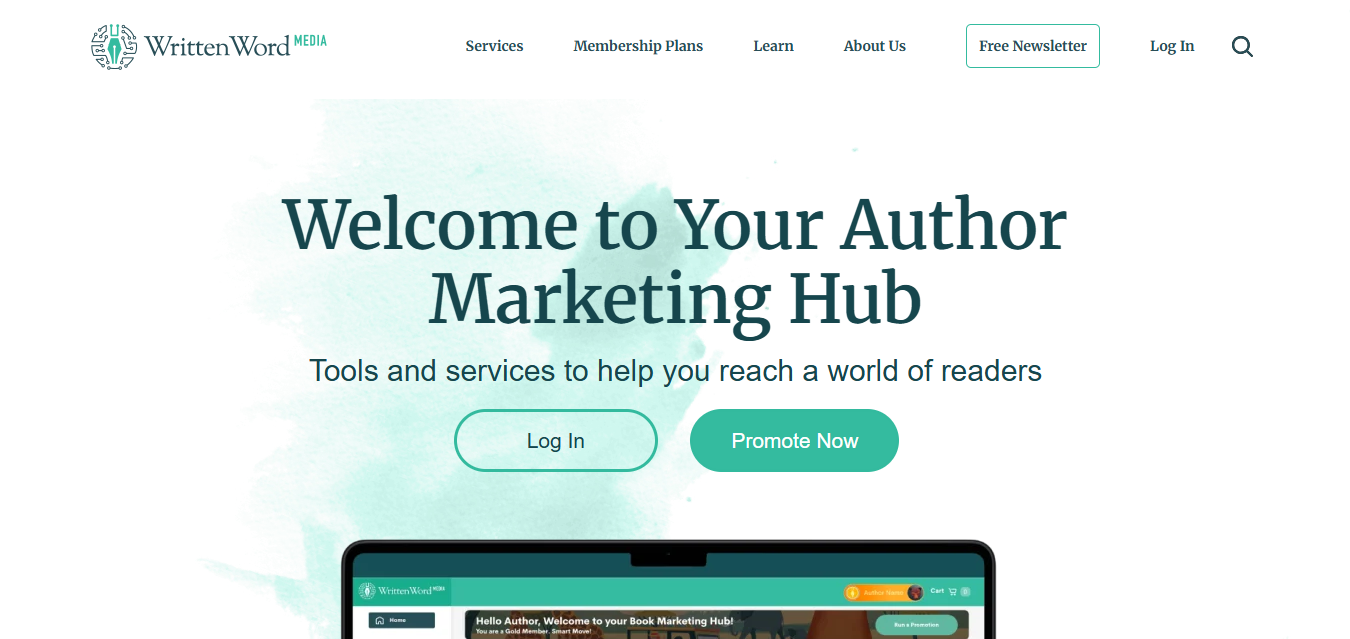
This model can suit independent authors who want direct reader discovery instead of traditional media publicity. Genre focused promotion can also help authors target audiences more precisely. Authors should choose promotions according to their genre, pricing strategy, and sales objective.
9. BooksGoSocial
BooksGoSocial offers managed advertising and reader promotion for authors. Its BookBoost service currently starts at $100 per advertising channel, while podcast advertising starts at $250. Most listed campaigns run for eight weeks with monitoring and regular updates.
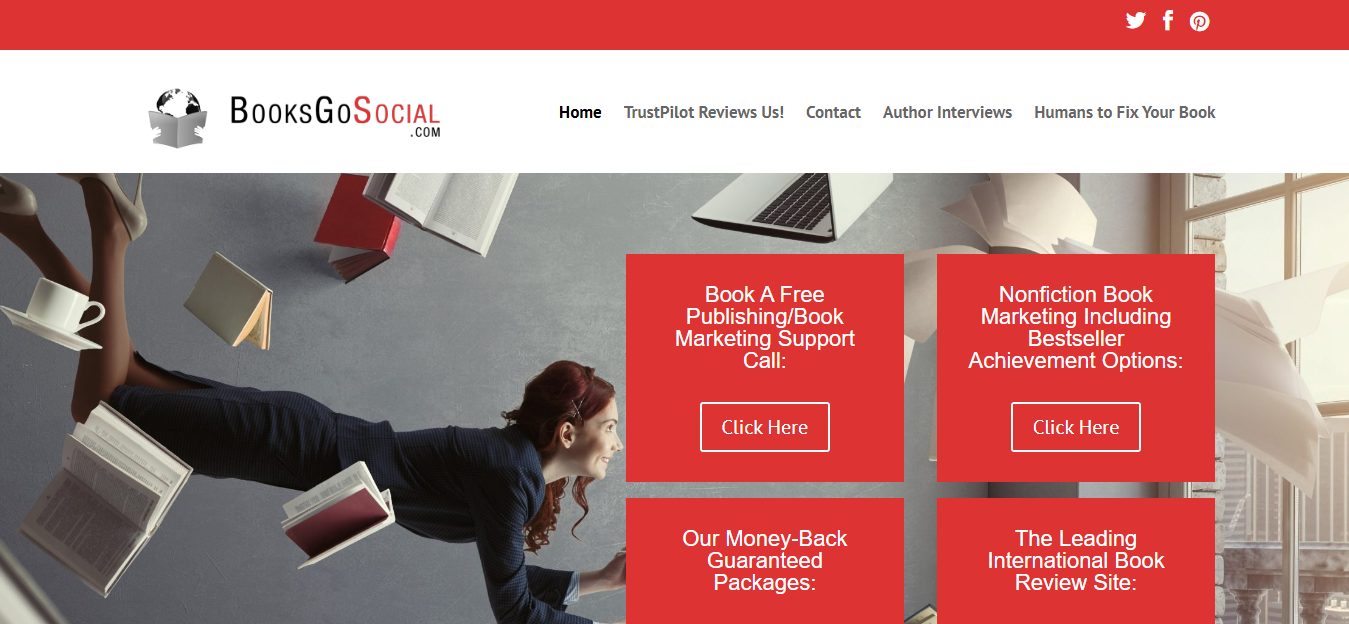
BooksGoSocial reports more than 197,000 newsletter subscribers and more than 500 authors served since 2013. Its current service lets authors choose channels and control campaign budgets. Advertising spend should still be separated from management fees when comparing total costs.
10. Outskirts Press
Outskirts Press combines self publishing services with book marketing support. Every publishing package includes a book marketing plan, according to the company’s current website. Additional services are available specifically to authors who publish through Outskirts Press.
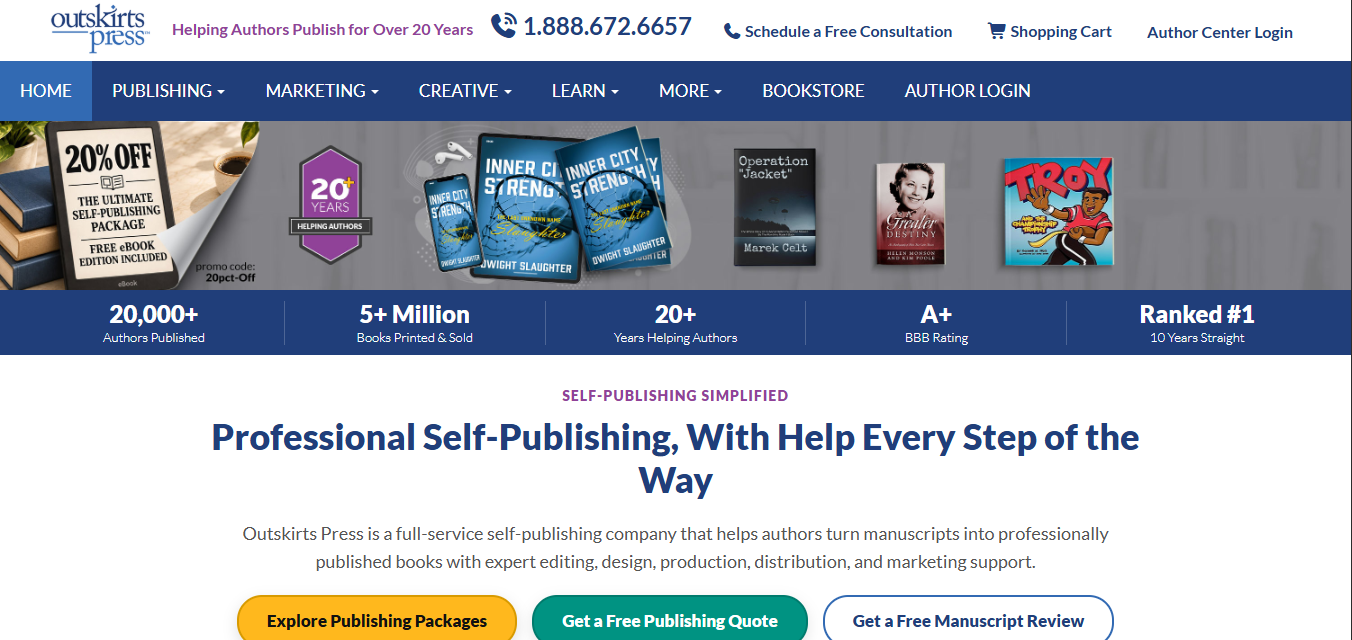
Marketing options include Amazon listing support, press materials, virtual book tours, promotional graphics, and other visibility services. This model can work for authors wanting publishing and marketing under one company. Authors using another publisher should check eligibility before comparing individual services.
Quick Comparison of the Best Book Marketing Companies
The best provider depends on the type of marketing support you actually need. Smith Publicity focuses on PR, while BookBub and Written Word Media focus more heavily on reader discovery. Reedsy provides access to individual specialists instead of one managed agency team.
Normans Publishing, Faith Bridge Publishers, and Outskirts Press combine publishing with promotional support. MindStir Media and BooksGoSocial provide managed campaign options for areas such as advertising. The Book Marketer fits authors seeking strategy and flexible marketing assistance.
This distinction matters because these providers are not direct substitutes. An author seeking national media coverage has different needs from someone promoting a discounted ebook. Compare provider type first, then compare individual companies.
How We Selected the Top Book Marketing Companies
We evaluated each provider using specialization, service range, pricing transparency, audience fit, and available campaign information. We also considered whether the provider serves authors, publishers, or both. Public company information was used when verifying current services and published prices.
Different provider types were evaluated according to what they actually offer. A publicity agency was not treated as identical to a newsletter promotion platform. A freelancer marketplace was also separated from companies managing complete campaigns.
We also considered practical decision factors such as genre expertise, reporting, audience reach, and campaign flexibility. Current reach figures provide useful context, but they do not guarantee sales. Authors should therefore judge each provider against their own campaign goals.
Which Book Marketing Company Is Best for Your Needs?
The best book marketing company matches your publishing route, genre, budget, and primary goal. Start by deciding whether you need sales, publicity, reviews, audience growth, or launch support. Then compare providers that specialize in that outcome.
Best Book Marketing Companies for Self Published Authors
Reedsy, Written Word Media, BooksGoSocial, and Outskirts Press are relevant options for self published authors. Reedsy offers specialist help, while Written Word Media focuses strongly on reader promotion. BooksGoSocial provides managed advertising, while Outskirts Press combines publishing and marketing.
Self published authors often control more of their own marketing decisions. That makes services such as Amazon advertising, email promotion, launch planning, and reader targeting especially useful. The best choice depends on which part of the campaign the author cannot manage alone.
Best Book Marketing Agencies for New Authors
New authors should prioritize clear strategy, realistic expectations, and defined campaign deliverables. The Book Marketer and Reedsy can provide targeted strategic help for writers who are still choosing marketing channels. Full service providers may be more suitable when the author wants several activities managed together.
First time authors should avoid buying every available marketing service immediately. Start with the target reader, launch goal, budget, and most suitable channels. This makes it easier to judge whether professional marketing is solving a real problem.
Best Companies for Fiction and Genre Authors
BookBub and Written Word Media are particularly relevant for fiction and genre based promotion. Their targeting can connect books with readers interested in categories such as romance, mystery, fantasy, and thrillers. This is different from publicity campaigns designed mainly for press visibility.
Genre size can also influence promotional costs. BookBub currently lists more than 2.12 million eligible United States subscribers for crime fiction Featured Deals. The same pricing page shows more than 1.24 million for contemporary romance.
Best Agencies for Nonfiction and Business Authors
Smith Publicity is closely aligned with nonfiction authors seeking publicity and professional authority. Its focus areas include business, leadership, wellness, personal development, public affairs, and social impact. Its services connect book promotion with interviews, thought leadership, and speaking visibility.
Business authors may measure success differently from fiction authors. A podcast interview, speaking opportunity, or professional lead can matter alongside direct book sales. The agency should therefore understand the author’s wider business goals.
Best Book Marketing Services for Affordable Promotion
Focused promotion platforms can cost less than large managed publicity campaigns. BooksGoSocial currently starts selected channels at $100, while Reedsy allows authors to hire individual specialists. BookBub pricing varies significantly according to category and book price.
Affordable does not simply mean choosing the lowest price. Authors should compare reach, campaign scope, management, and likely royalty value. A small targeted promotion can provide better value than an unrelated larger campaign.
What Types of Book Marketing Companies Can You Hire?
Authors can choose full service agencies, publicity firms, promotion platforms, or freelance specialists. Each type solves a different marketing problem. Understanding these differences makes company comparisons more useful.
Full Service Book Marketing Agencies
Full service agencies coordinate several marketing activities through one provider. Services can include advertising, publicity, social promotion, branding, and launch planning. This model can reduce the need to manage several separate specialists.
The main advantage is coordination across multiple campaign activities. The main consideration is whether every included service is actually necessary. Authors should request a clear list of deliverables before paying.
Book Publicity and PR Firms
Publicity firms focus mainly on media coverage and author visibility. Activities can include journalist outreach, podcast interviews, broadcast appearances, reviews, and expert commentary. Smith Publicity is an example of this model.
Publicity does not guarantee direct book sales. Its value can include credibility, authority, speaking opportunities, and broader exposure. Authors should judge these campaigns using goals beyond immediate retailer revenue.
Book Promotion Platforms and Newsletter Services
Promotion platforms connect books directly with established reader audiences. BookBub and Written Word Media are examples of this approach. They can be useful for launches, discounts, series promotions, and reader acquisition.
BookBub Featured Deals have specific eligibility requirements and are not automatically accepted. Written Word Media uses several reader facing brands to target different audiences. These services are better compared by audience fit than by agency size.
Freelance Book Marketers and Specialists
Freelance specialists provide focused expertise without requiring a full agency package. They can help with tasks such as strategy, advertising, email marketing, or launch planning. Reedsy is one platform connecting authors with these professionals.
This option works well when the author already understands the main problem. Someone struggling with Amazon advertising may only need an advertising specialist. Authors needing coordination across several channels may prefer an agency.
What Services Do Book Marketing Companies Offer?
Book marketing companies can provide launch planning, advertising, publicity, audience development, and brand support. Exact services depend on whether the provider is an agency, platform, publisher, or freelancer. Compare specific deliverables instead of relying on broad marketing labels.
Book Launch Marketing and Amazon Promotion
Book launch marketing builds visibility around a new release. Common activities include Amazon advertising, listing optimization, preorder promotion, email outreach, and launch scheduling. Some providers also coordinate post launch advertising.
MindStir’s current $2,500 Amazon Ads package runs for two months. It includes keyword research, targeting, bid management, monitoring, and reporting. This provides a useful pricing example, but it should not be treated as an industry average.
Book Publicity, PR, and Media Outreach
Publicity aims to earn attention through media rather than purchasing every placement directly. Campaigns can involve interviews, reviews, articles, podcasts, television, and expert commentary. Strong campaigns match the book and author with relevant media audiences.
Results depend on factors such as timing, topic relevance, author availability, and editorial interest. An agency can control its outreach but cannot control every journalist’s decision. Authors should ask how confirmed placements and campaign activity are reported.
Social Media, BookTok, and Influencer Marketing
Social campaigns use platforms such as TikTok, Instagram, Facebook, and YouTube to reach readers. Influencer campaigns work best when creators already reach people interested in the book’s genre. Follower numbers alone do not show audience relevance.
Authors should ask who handles creator research, outreach, content approval, and campaign tracking. Useful metrics include views, clicks, engagement, and attributable sales when available. A viral post should never be treated as a guaranteed result.
Book Reviews, Email Marketing, and Author Branding
Reviews, email marketing, and author branding support trust and long term audience growth. Email lists help authors communicate directly with readers during launches and later releases. Branding can create consistent positioning across books, websites, and promotional materials.
Review campaigns should follow retailer rules and preserve reviewer independence. Authors should avoid companies promising guaranteed positive ratings. Legitimate promotion can create review opportunities but cannot ethically guarantee favorable opinions.
How Much Do Book Marketing Companies Cost?
Book marketing costs range from small targeted promotions to several thousand dollars for managed campaigns. Pricing depends on campaign scope, provider type, duration, audience size, and advertising requirements. Published prices should therefore be treated as examples.
Reedsy currently lists marketing strategy projects at $1,300 to $2,500. MindStir lists its two month Amazon Ads management package at $2,500. BooksGoSocial lists selected advertising channels from $100.
Common Book Marketing Pricing Models
Common pricing models include fixed packages, project fees, retainers, promotion fees, and advertising management charges. Fixed packages combine several defined services for one price. Project fees usually cover one specific activity or campaign.
Promotion platforms can use a different pricing structure. BookBub changes Featured Deal pricing according to genre, price, and regional availability. Authors should also check whether advertising spend is included in quoted fees.
What Affects Book Marketing Costs?
Campaign scope, duration, audience size, and specialist involvement can all affect cost. A single email promotion usually requires fewer resources than months of media outreach. Managed advertising may also require separate funds for actual ad spending.
Genre can affect promotional pricing because audience sizes and demand differ. Campaign complexity also rises when several channels must work together. Authors should compare total expected spending rather than one advertised starting price.
How Much Should Authors Budget for Book Marketing?
Authors should set budgets according to measurable campaign goals and realistic royalty potential. A reader newsletter promotion needs a different budget from a national publicity campaign. Testing smaller campaigns can also provide useful data before larger spending.
Consider the number of books available, expected royalties, and long term reader value. Authors with a series may gain more from acquiring one new reader because later purchases can follow. A single title with a small royalty needs tighter spending limits.
How to Choose the Right Book Marketing Company
Choose a book marketing company by matching its expertise and deliverables with your main goal. Review genre experience, pricing, reporting, contracts, and previous campaign evidence. Do not choose solely because a provider appears on a best companies list.
Check Genre Experience and Previous Results
Look for experience with books similar to yours. Readers of romance, children’s books, business titles, and thrillers respond to different channels. Relevant experience can improve targeting and campaign planning.
Ask for case studies showing measurable campaign activity or outcomes. Compare examples involving similar genres, budgets, and publishing situations. Testimonials are helpful, but detailed examples provide more useful context.
Compare Services, Pricing, and Campaign Goals
Compare providers using the same objective and expected deliverables. A publicity agency and an ebook deal platform solve different problems. Pricing comparisons are misleading when the underlying services are unrelated.
Confirm whether advertising spend, creative work, influencer payments, and reporting are included. Ask how long the campaign runs and which channels will be used. This makes competing quotes easier to evaluate.
Review Contracts, Reporting, and Communication
A clear agreement should define deliverables, fees, timelines, reporting, and cancellation terms. Authors should know who manages each campaign activity. They should also know which outcomes cannot be guaranteed.
Ask how often reports are delivered and which metrics they include. Advertising reports can include impressions, clicks, conversion data, and spending. Publicity reports can include outreach activity, interviews, placements, and pending opportunities.
Book Marketing Agency vs Freelancer vs DIY Marketing
Agencies offer broader execution, freelancers provide focused expertise, and DIY marketing gives authors greater control. The right model depends on budget, experience, available time, and campaign complexity. No option is automatically right for every author.
An agency can coordinate advertising, publicity, social promotion, and launch planning. A freelancer may solve one specific problem without charging for unrelated services. DIY marketing reduces service fees but requires the author to learn and manage each channel.
Author participation also matters when comparing these options. Some campaigns require interviews, videos, newsletters, social posts, or approval of media pitches. Authors should choose a service model that matches the time they can realistically contribute.
When Should You Hire a Book Marketing Company?
Hire professional marketing support before the activities you need must begin. Media outreach, influencer campaigns, advertising setup, and launch planning require preparation. Waiting until publication day can reduce available options.
Pre Launch Book Marketing
Pre launch marketing prepares the book, audience, and campaign before release. Activities can include metadata work, advance reader outreach, preorder promotion, advertising setup, and media pitching. The required lead time depends on the campaign.
Authors should ask providers for exact deadlines before signing. Some opportunities require advance copies or finalized retailer pages. Early planning also gives authors time to fix positioning problems before paid promotion begins.
Launch and Post Launch Promotion
Launch marketing concentrates attention around publication, while post launch promotion sustains discovery. Launch activities can include email promotions, advertising, interviews, influencer content, and retailer offers. Post launch campaigns can focus on reviews, evergreen ads, and series growth.
BookBub says the largest Featured Deal sales and download lift generally happens within the first 24 to 48 hours. Activity usually declines around four days later. This illustrates why one promotional event should not replace a longer marketing plan.
How Do You Measure Book Marketing Results?
Book marketing results should be measured against the original campaign goal. Sales campaigns need revenue and advertising metrics. Publicity campaigns need visibility and media metrics.
Book Sales, ROI, and Advertising Performance
Sales focused campaigns should track revenue, advertising cost, clicks, conversions, and return on investment. Authors can compare campaign spending with royalties earned during the relevant period. Advertising results can also show which audiences and keywords perform best.
Immediate sales are not the only possible financial result. Series authors can gain additional revenue when new readers purchase later titles. Email subscribers can also create value across future launches.
Reviews, Media Coverage, and Audience Growth
Visibility campaigns can track reviews, media placements, subscribers, website visits, and audience growth. These measures matter when direct sales are not the only objective. Nonfiction authors may also track speaking opportunities, leads, or professional inquiries.
Record baseline numbers before each campaign begins. Compare the same metrics after the campaign ends. This gives authors a clearer basis for evaluating performance.
What Are the Biggest Red Flags When Hiring a Book Marketing Company?
Major red flags include guaranteed bestseller claims, guaranteed positive reviews, unclear deliverables, and unexplained charges. Marketing providers cannot control reader purchases, retailer algorithms, or journalist decisions. Even BookBub states that meeting its requirements does not guarantee Featured Deal selection.
Be cautious when a company will not explain its reporting or contract terms. Authors should verify audience claims, media placements, previous results, and included services. Pressure to pay quickly should not replace transparent documentation.
Contracts should distinguish guaranteed work from hoped for outcomes. A publicist can guarantee outreach but cannot guarantee every media placement. An advertiser can manage campaigns but cannot guarantee a fixed number of sales.
Are Book Marketing Companies Worth It?
Book marketing companies can be worth the investment when their expertise solves a specific marketing problem. Professional help can save time and improve execution across advertising, publicity, strategy, or reader targeting. Poorly matched services can still waste money.
Authors should identify the problem before choosing the provider. Someone needing Amazon Ads help may not need a complete publicity campaign. Someone seeking media authority may gain little from a discount newsletter alone.
Potential value also depends on the author’s catalog and long term goals. A series author may earn from future purchases after acquiring one new reader. A business author may value leads and speaking opportunities alongside book royalties.
Book Marketing Trends to Watch in 2026
Book marketing in 2026 increasingly combines reader targeting, creator content, advertising, email ownership, and AI assisted workflows. Written Word Media identifies trust, experience, AI, discovery, and audience ownership among its current author trends. It also highlights growing concern around scams and transparency.
AI can assist with research, campaign planning, copy testing, and audience analysis. It does not remove the need for accurate positioning, genuine reader understanding, or campaign judgment. Authors should use automation without sacrificing trust or originality.
Direct reader relationships remain especially valuable. Email lists give authors an audience they can reach across future launches without depending entirely on one platform. This makes long term audience building an important complement to short term promotion.
Conclusion
In conclusion, the best book marketing company depends on your goals, budget, genre, and publishing route. Options like Smith Publicity, Reedsy, BookBub, Written Word Media, and BooksGoSocial serve different marketing needs. Comparing services, pricing, experience, reporting, and campaign focus can help you choose more confidently.
Professional marketing can support book sales, publicity, reader discovery, reviews, and long term audience growth. However, reliable providers should offer clear deliverables instead of guaranteed sales or bestseller promises. Compare the companies that match your goals, request detailed pricing, and choose the provider that offers the strongest fit for your book.
Frequently Asked Questions About Book Marketing Companies
Can a Book Marketing Company Guarantee Book Sales?
No legitimate marketing provider can guarantee a specific number of book sales. Results depend on the book, audience, price, genre, positioning, and campaign execution. Providers can guarantee agreed work but not reader purchasing decisions.
BookBub similarly states that it does not guarantee Featured Deal results. Actual performance varies by category, price, retailer availability, and individual book. Authors should prefer measurable deliverables over fixed sales promises.
Do Book Marketing Companies Work With Self Published Authors?
Yes, many book marketing companies and platforms work directly with self published authors. Reedsy, Written Word Media, BookBub, and BooksGoSocial all serve independent publishing audiences. Available help includes strategy, promotion, advertising, and reader outreach.
Written Word Media specifically reports working with self published writers, major publishers, small presses, and publicists. This gives independent authors access to many of the same promotional channels used by larger publishing organizations. Authors should still choose only the services relevant to their current stage.
How Long Does a Book Marketing Campaign Take?
A book marketing campaign can last from one promotional day to several months. The timeline depends on whether the campaign uses advertising, publicity, email promotions, or launch support. Authors should request a written campaign schedule before paying.
A BookBub Featured Deal centers on one confirmed email date, although related placements can continue during the discount period. BooksGoSocial states that most current managed advertising campaigns run for eight weeks. These examples show why campaign length must be compared with campaign purpose.
Can Book Marketing Companies Help Get Reviews?
Yes, marketing providers can create legitimate opportunities for more readers to discover and review a book. They may use advance copies, reader outreach, email promotion, or launch campaigns. They should not promise positive ratings or manipulate review systems.
Authors should ask how readers are recruited and whether any incentives are involved. Reviews should reflect independent reader opinions. Guaranteed five star review offers are a warning sign.
Is Book Marketing Different From Book Publicity?
Yes, book marketing is broader than book publicity. Marketing can include advertising, email campaigns, retailer optimization, social promotion, reader acquisition, and audience development. Publicity focuses more closely on earned exposure through interviews, reviews, features, podcasts, and media coverage.
An author seeking immediate sales may prioritize advertising or reader promotions. An author building authority may prioritize media relations and expert positioning. Many full service providers combine both approaches within one campaign.