

Still using the same marketing strategies but getting fewer clicks, leads, or sales? Customer habits are changing, and yesterday’s tactics may no longer deliver reliable results. Following every new trend wastes time, money, and effort without a clear plan.
The top digital marketing trends in 2026 reveal where businesses should focus their efforts. Artificial intelligence, changing search behavior, and short videos are transforming how customers discover brands. Ignoring these changes could mean losing valuable opportunities to competitors.
This article explores 15 digital marketing trends shaping 2026 and why they matter. You’ll discover how AI, SEO, social media, and automation are changing marketing strategies. We’ll also explain which trends suit your business and how to measure their impact.
What Are the Top Digital Marketing Trends in 2026?
The top digital marketing trends in 2026 include AI marketing, AI search optimization, short-form video, personalization, and social commerce. These developments influence how businesses attract customers, communicate with audiences, and generate sales. Marketers are also adopting automation, first party data, and advanced analytics to improve campaign performance.
According to HubSpot’s 2026 State of Marketing Report, 80% of surveyed marketers use AI for content creation. Another 75% use AI for media production, including images and video. These findings show how deeply AI has entered marketing workflows.
However, adopting new technology doesn’t automatically improve results. Businesses need to identify relevant trends, understand customer behavior, and measure their marketing investments.
15 Top Digital Marketing Trends to Watch in 2026
The 15 top digital marketing trends shaping 2026 reflect changes in artificial intelligence, online search, content creation, advertising, and customer experience. Each trend creates different opportunities for attracting customers, improving engagement, or increasing sales. Understanding their practical applications helps businesses invest in approaches that match their goals.
1. Artificial Intelligence Is Transforming Digital Marketing
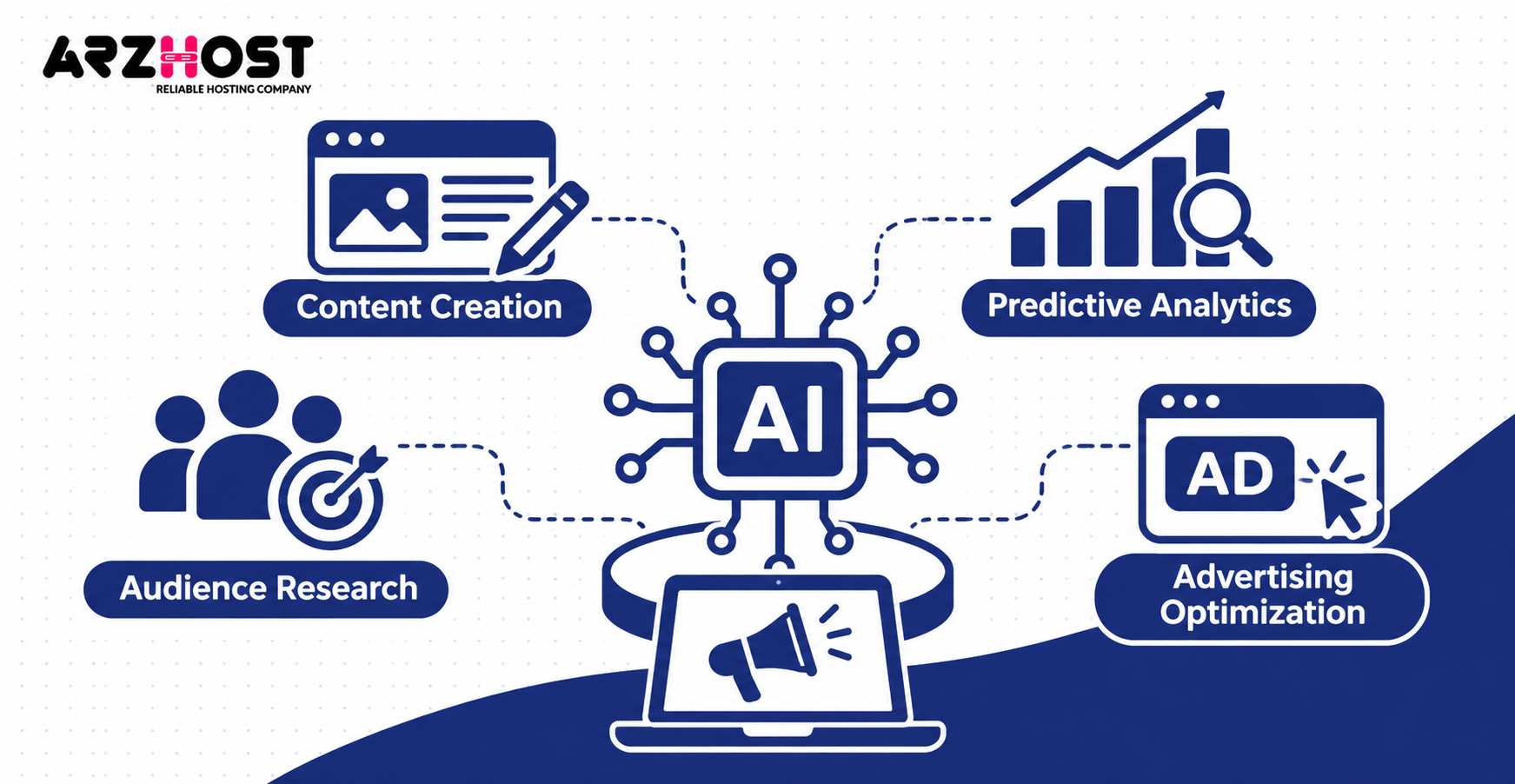
Artificial intelligence is transforming digital marketing through content creation, predictive analytics, audience research, and advertising optimization. AI tools like ChatGPT, Google Gemini, and Jasper help marketers develop content ideas and analyze information. Machine learning can also identify customer behavior patterns and support campaign decisions.
HubSpot’s 2026 marketing research found that 86.4% of surveyed marketing teams use AI in some capacity. The report also identified content creation and advertising optimization among common applications. However, these findings measure adoption rather than guaranteed financial returns.
Best practice: Start with one repeatable activity, such as content drafting or campaign reporting. Compare completion time and content quality before and after adopting AI. Expand its use when the results justify further investment.
2. AI Search, AEO, and GEO Are Changing SEO
AI search is changing SEO by generating direct answers and presenting information from multiple online sources. Google AI Overviews, ChatGPT, and Perplexity can help users research questions without browsing traditional search listings. This changes how businesses think about organic visibility.
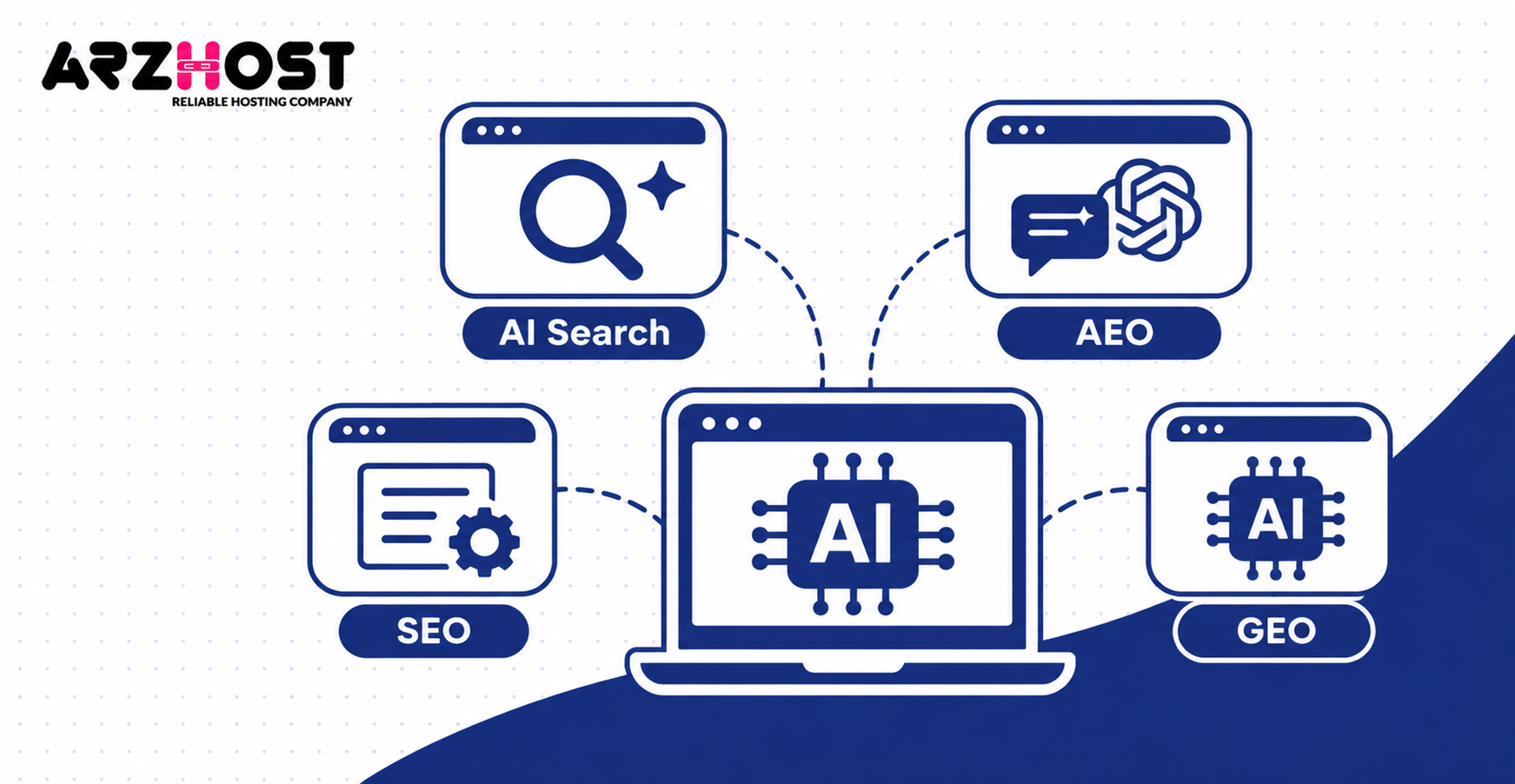
Answer Engine Optimization (AEO) focuses on making information clear and accessible for question-based searches. Generative Engine Optimization (GEO) focuses on improving brand visibility in AI generated responses. Both approaches build on established SEO practices rather than replacing them.
Google’s official AI search documentation confirms that existing SEO fundamentals remain relevant. Google also states that special AI markup isn’t required for AI Overviews or AI Mode. Businesses should prioritize accurate content, accessible websites, and strong technical SEO.
3. Social Search Is Changing How People Discover Brands
Social search allows consumers to discover products, reviews, and recommendations directly through social media platforms. TikTok, Instagram, and YouTube support searches for tutorials, product demonstrations, and purchasing advice. This makes social media an additional discovery channel alongside traditional search engines.
Social SEO involves using relevant keywords within captions, titles, descriptions, and spoken video content. Clear product information also helps viewers understand what a business offers. However, keyword use should remain natural rather than repetitive.
Best practice: Identify three customer questions and create content answering each one. Publish the content on platforms your audience already uses. Monitor profile visits, website clicks, inquiries, and purchases to evaluate its usefulness.
4. Short Form Video Continues to Drive Engagement
Short-form video helps businesses communicate product information, demonstrate services, and attract attention through brief visual content. TikTok, Instagram Reels, and YouTube Shorts offer formats suited to tutorials, customer testimonials, and product demonstrations. Their effectiveness depends on audience relevance and content quality.
According to the Interactive Advertising Bureau, US digital video advertising spending is projected to exceed $80 billion in 2026. The organization forecasts 11% annual growth across digital video advertising. This total includes social video, online video, and connected television.
Best practice: Begin each video with a clear topic and demonstrate the main benefit quickly. Add readable captions for people watching without sound. Measure watch time, engagement, website visits, and conversions instead of relying solely on views.
5. Influencer and Creator Marketing Is Becoming More Authentic
Influencer marketing increasingly emphasizes relevant creators, genuine recommendations, and ongoing partnerships. Businesses collaborate with micro influencers, industry experts, and niche content creators to reach specific audiences. These partnerships can support brand awareness, product education, and customer acquisition.
Smaller creators may offer a closer connection with a particular community. However, smaller audiences don’t automatically produce higher engagement or stronger sales. Performance depends on audience quality, creator credibility, and product relevance.
Best practice: Review audience demographics, content quality, and previous partnership results before selecting creators. Agree on deliverables, disclosure requirements, and performance measures in advance. Track referral traffic, discount code purchases, and qualified leads where appropriate.
6. Social Commerce and Shoppable Content Are Growing
Social commerce connects product discovery with shopping experiences on platforms like TikTok, Instagram, and Facebook. Shoppable content includes product tags, creator demonstrations, livestream shopping, and links to product listings. Available shopping features vary by platform and country.
The main advantage is a shorter path between product discovery and purchase. Customers can view product information while engaging with familiar social content. However, shipping costs, payment options, and customer trust still influence conversions.
Best practice: Start with products that are easy to demonstrate visually. Provide accurate descriptions, transparent pricing, and clear return information. Test whether social shopping generates profitable sales rather than simply increasing engagement.
7. AI Powered Personalization Is Improving Customer Experiences
AI powered personalization helps businesses tailor content, product recommendations, and communication according to customer preferences. It uses information such as browsing behavior, purchase history, and previous interactions. Relevant recommendations can make the buying journey easier to navigate.
However, personalization depends on accurate information and responsible data collection. Outdated customer preferences can lead to irrelevant offers and repeated messages. Excessive targeting may also make customers uncomfortable.
Best practice: Start with simple segments based on customer interests or purchase activity. Compare personalized campaigns with suitable standard campaigns to measure their impact. Monitor conversion rates, repeat purchases, unsubscribe rates, and customer feedback.
8. Marketing Automation and AI Agents Are Streamlining Campaigns
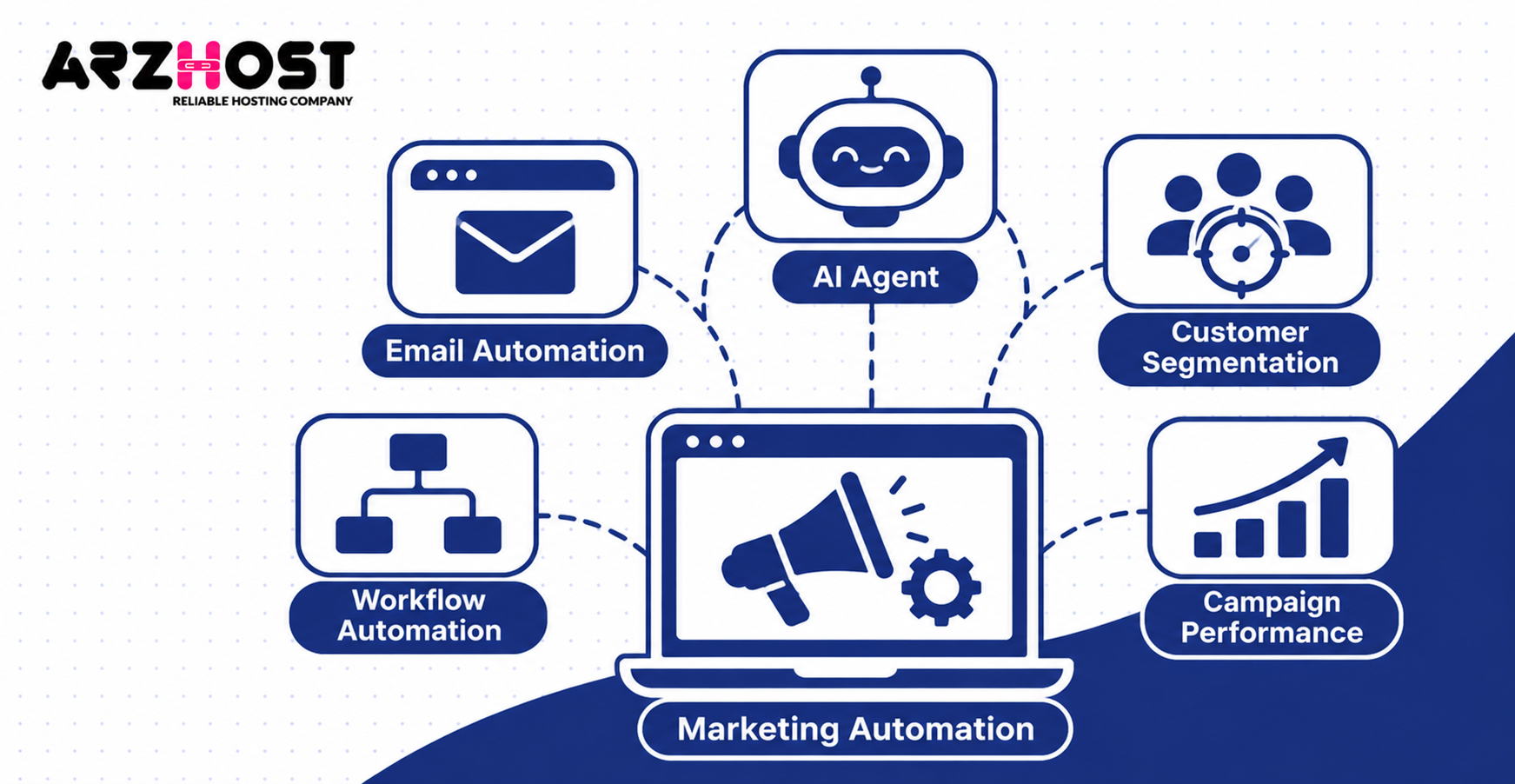
Marketing automation handles repeatable workflows, while AI agents can support more complex marketing activities. Tools like Mailchimp, HubSpot, and ActiveCampaign automate email sequences, customer segmentation, and lead nurturing. AI agents may assist with research, information analysis, and multistep campaign tasks.
AI agents may also identify unusual campaign performance and suggest corrective actions. However, automated decisions can create problems when information is incomplete or incorrect. Human review remains important for spending changes, public claims, and customer sensitive communication.
Best practice: Automate one workflow before connecting several marketing systems. Establish triggers, stop conditions, and clear approval requirements. Measure time saved, customer engagement, and completed conversions.
9. First Party Data and Privacy Focused Marketing Are Gaining Importance
First-party data helps businesses understand customers through information collected during direct interactions. Examples include purchase history, website activity, newsletter subscriptions, and customer account preferences. Businesses can use this information to support segmentation and relevant communication.
Privacy focused marketing requires transparent collection and responsible handling of personal information. Regulations like the GDPR and CCPA apply to qualifying businesses and activities. Consent requirements depend on the law, location, and data processing purpose.
Best practice: Review existing data collection methods before introducing additional tracking. Keep privacy notices accurate and provide appropriate customer controls. Collect information that serves a clear purpose rather than gathering unnecessary details.
10. Human Created Content and Brand Authenticity Are Building Trust
Human created content helps businesses communicate original experience, expert knowledge, and a recognizable brand identity. AI can generate drafts quickly, but speed doesn’t establish accuracy or originality. Readers still benefit from practical examples and verified information.
Human expertise also matters when reviewing AI assisted articles and advertising claims. Incorrect information can damage credibility regardless of how professionally the content appears. Clear sources and transparent explanations help readers evaluate important claims.
Best practice: Include original observations, customer feedback, and documented results whenever possible. Use AI for appropriate support without replacing factual review. Give readers information they cannot easily find in competing generic articles.
11. Community Led Marketing Is Strengthening Customer Loyalty
Community led marketing builds relationships through ongoing interaction between a business and its audience. Platforms like Discord, Facebook Groups, and WhatsApp Communities can support direct conversations. Businesses may use these spaces for education, feedback, and customer support.
Communities require moderation, relevant discussion, and clear participation guidelines. An inactive group may provide little value despite having numerous registered members. Customer trust also depends on respectful handling of personal information.
Best practice: Choose a platform that existing customers already understand. Schedule useful activities such as monthly questions or product demonstrations. Evaluate active participation, returning members, and customer satisfaction.
12. Voice and Visual Search Are Creating New Discovery Opportunities
Voice and visual search allow users to find information through spoken questions and images. Voice assistants can handle conversational requests, while Google Lens supports image based discovery. These methods create additional opportunities for local services and ecommerce businesses.
Businesses can support voice discovery through clearly answered customer questions and updated local business information. Visual discovery benefits from descriptive product names, high quality images, and relevant alternative text. These practices also improve usability beyond emerging search experiences.
Best practice: Review how customers naturally describe your products or services. Update important business information and product details regularly. Treat voice and visual search as additional discovery opportunities rather than replacements for SEO.
13. Omnichannel Marketing Is Connecting Customer Experiences
Omnichannel marketing creates consistent customer experiences across connected channels, including websites, email, social media, and physical stores. The goal is to make communication relevant as people move between touchpoints. This requires coordination rather than simply promoting the same message everywhere.
CRM platforms and marketing automation software support coordination between communication channels. However, accurate customer records and appropriate permission controls are necessary. Inconsistent information can confuse customers and undermine trust.
Best practice: Map the customer journey from discovery to repeat purchase. Identify where information becomes disconnected between channels. Improve those transitions before adding more platforms to the marketing strategy.
14. Retail Media and Connected TV Advertising Are Expanding
Retail media and connected TV advertising help businesses reach customers through shopping platforms and streaming television. Retail media includes sponsored placements on services like Amazon Ads and Walmart Connect. Connected TV advertising reaches audiences using internet connected television services.
The IAB’s September 2026 forecast projects 15.6% annual growth in US connected TV advertising spending. It also forecasts 13.6% growth for commerce media and 16.5% for social media advertising. These figures describe market spending projections, not guaranteed returns for individual advertisers.
Best practice: Compare potential reach, advertising costs, audience relevance, and sales measurement capabilities. Start with a defined campaign objective and controlled spending. Expand only when the channel demonstrates sufficient business value.
15. Advanced Analytics and AI Driven Measurement Are Improving Marketing ROI
Advanced analytics helps businesses evaluate how marketing activity contributes to revenue, customer acquisition, and retention. Google Analytics 4, Looker Studio, and CRM reporting tools provide different performance insights. AI can help identify patterns and unusual changes within marketing data.
Traditional last click attribution assigns conversion credit to the final recorded interaction. Incrementality testing estimates additional results caused by a marketing activity. Marketing mix modeling examines relationships between spending and outcomes across channels.
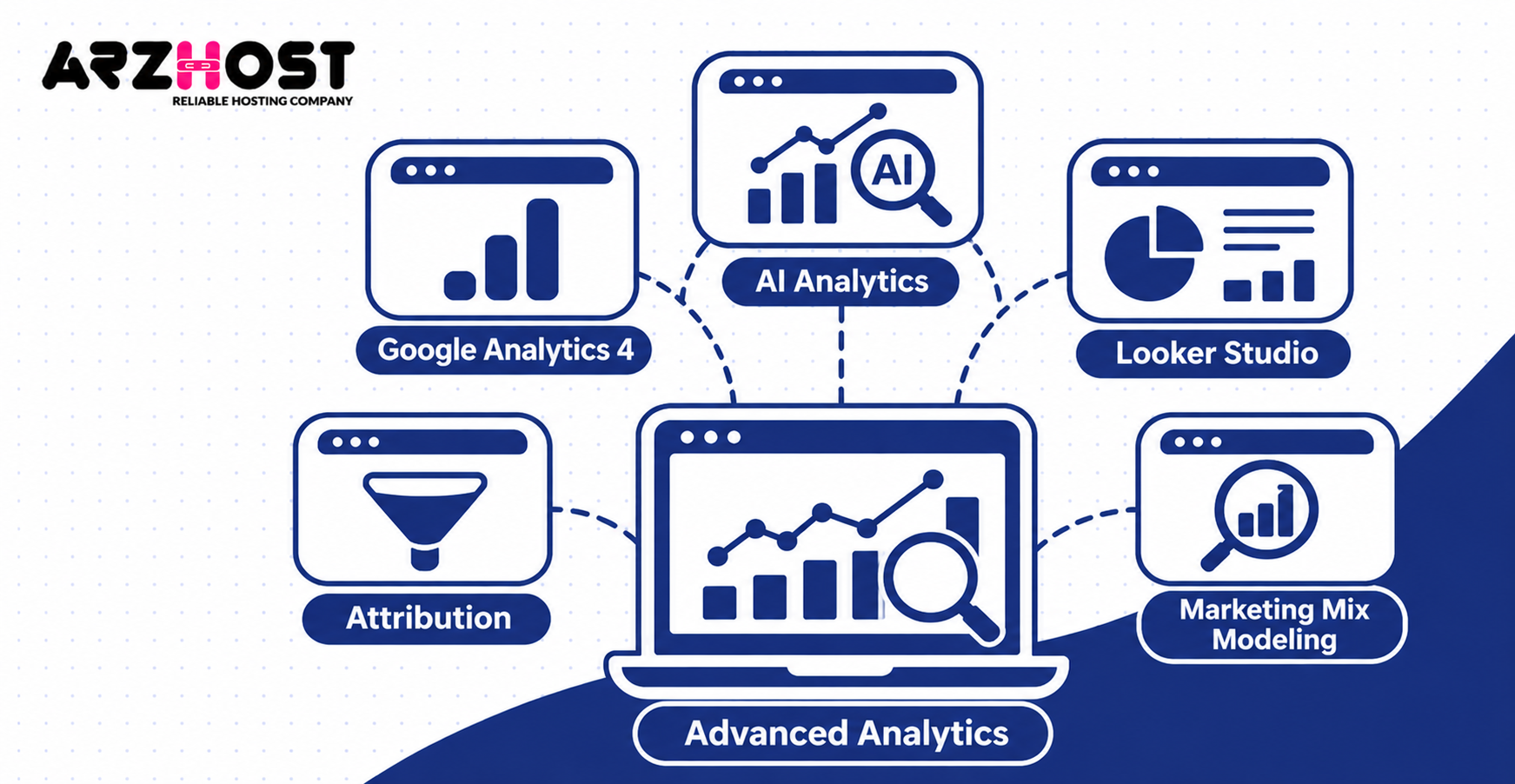
Best practice: Define the business outcome before selecting reporting tools. Review conversion rates, acquisition costs, customer lifetime value, and attributable profit. Use multiple measurement methods when a single tracking report cannot explain the complete customer journey.
Quick Comparison of the Top Digital Marketing Trends in 2026
The top digital marketing trends serve different purposes, including customer discovery, engagement, conversion, and retention. Businesses should compare each trend according to audience behavior and available resources. The following table summarizes their main applications and useful performance measures.
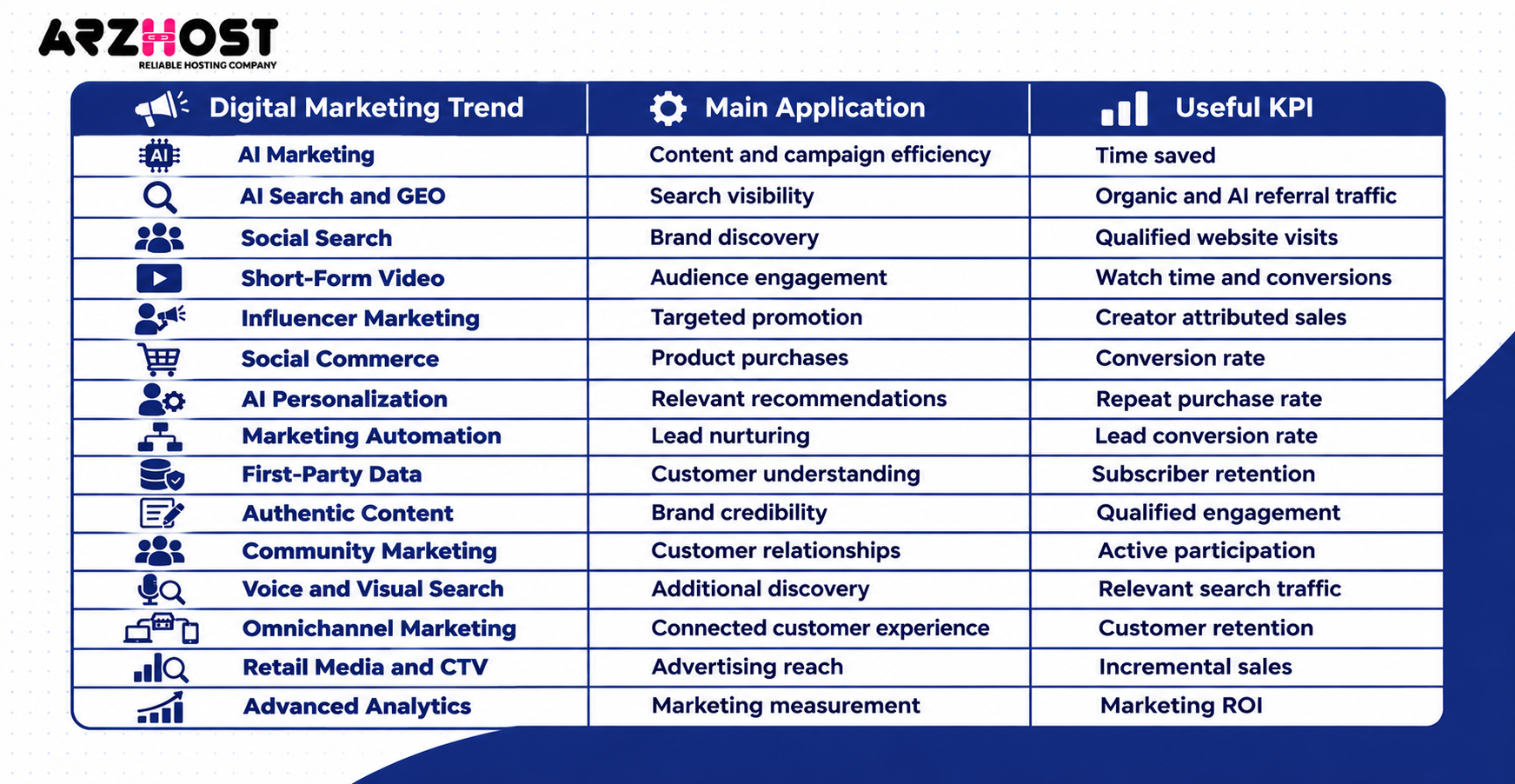
Established practices like SEO and email marketing remain important, even as newer technologies expand their capabilities. AI agents and agentic commerce are developing opportunities that require careful testing. Businesses should prioritize proven customer needs before investing heavily in experimental applications.
How Is AI Changing SEO and Digital Marketing in 2026?
AI is changing SEO by expanding search beyond traditional website rankings into conversational answers and AI assisted discovery. This affects how businesses organize information and measure brand visibility. However, established SEO fundamentals remain necessary for search accessibility and organic performance.
SEO vs. AEO vs. GEO: What Is the Difference?
SEO improves traditional search visibility, AEO emphasizes direct answers, and GEO focuses on visibility within AI generated responses. These concepts overlap because useful information supports more than one discovery experience. None guarantees that a website will appear in a particular AI response.
| Approach | Main Purpose | Example |
| SEO | Improve organic search visibility | Optimizing a service page for Google |
| AEO | Provide clear answers to user questions | Explaining a product feature directly |
| GEO | Support discovery through AI generated answers | Publishing original research and comparisons |
Traditional SEO covers technical accessibility, content usefulness, internal links, and search intent. AEO emphasizes clear explanations, while GEO considers how AI systems may reference trusted information. The most practical approach combines these priorities rather than treating them as competing strategies.
How Can Businesses Improve Visibility in AI Search Results?
Businesses can improve their readiness for AI search by publishing reliable information and maintaining technically accessible websites. Clear answers, original research, and accurate business details make content more useful. Structured data can also help search engines understand eligible content when implemented correctly.
Google confirms that AI Overviews and AI Mode require no special optimization or AI specific schema. Pages must still satisfy relevant search indexing and eligibility requirements. Businesses should therefore maintain strong SEO rather than purchasing unsupported visibility guarantees.
Track identifiable AI referral traffic alongside organic visits and branded search demand. Review whether visitors become qualified leads or customers after arriving. AI citations and mentions can provide additional context, but their measurement remains incomplete.
Which Digital Marketing Trends Are Best for Your Business?
The best digital marketing trends depend on business size, customer behavior, marketing objectives, and available resources. A local retailer and a SaaS company may need very different approaches. Selecting relevant opportunities is more useful than adopting all 15 trends simultaneously.
Best Digital Marketing Trends for Startups and Small Businesses
Startups and small businesses can begin with affordable SEO, useful video content, email marketing, and AI assistance. These approaches can support visibility without requiring an extensive advertising budget. Local businesses should also maintain accurate business listings and customer reviews.
For example, a neighborhood bakery could post preparation videos and update its Google Business Profile. It could also invite customers to join an email newsletter. Website visits, inquiries, and repeat orders would provide useful performance signals.
Best Trends for Ecommerce and Retail Businesses
Ecommerce businesses should consider social commerce, creator partnerships, personalization, and product discovery optimization. These approaches support purchasing journeys from initial interest to repeat orders. Retail media may also help businesses advertising through established marketplaces.
For example, an online fashion store could combine creator demonstrations with personalized product recommendations. It should monitor conversion rates and profit after advertising expenses. Product demand and customer demographics determine whether these investments make sense.
Best Trends for B2B and SaaS Companies
B2B and SaaS companies can prioritize AI search, expert content, LinkedIn marketing, and automated lead nurturing. Buyers often evaluate product features, pricing, integrations, and vendor reliability before purchasing. Detailed comparisons and practical case studies can support that research.
For example, a SaaS company might publish implementation tutorials and customer results. Its team could then use email automation to provide relevant product information. Qualified leads and completed sales matter more than raw traffic alone.
Best Trends for Enterprises and Established Brands
Established brands can benefit from first-party data, omnichannel coordination, AI personalization, and advanced analytics. These approaches support larger customer databases and more complex marketing operations. Their implementation usually requires stronger integration and governance.
For example, a retailer could connect loyalty activity with permitted email communication and online purchase records. This may improve customer understanding across digital and physical channels. Privacy compliance, reliable reporting, and staff training should remain central requirements.
How to Apply the Latest Digital Marketing Trends to Your Strategy
Businesses can apply digital marketing trends by defining specific goals, selecting relevant channels, and testing measurable improvements. A practical strategy begins with customer behavior rather than the newest technology. The following process helps prioritize actions without unnecessary spending.
Identify Your Business Goals and Target Audience
Begin by selecting one measurable business objective, such as qualified leads, online purchases, or customer retention. Then identify your target customers and their purchasing behavior. Review existing website analytics, customer feedback, and previous campaign performance.
For example, a business seeking more qualified leads may prioritize educational SEO content. An ecommerce store struggling with repeat purchases might test email personalization. Different goals require different channels and success measures.
Choose the Right Trends and Marketing Channels
Choose trends that connect directly with your audience and support the selected business objective. Compare implementation cost, required skills, and realistic measurement options. Avoid expanding into additional platforms without a clear reason.
For example, a fashion retailer could test Instagram Reels before investing in streaming advertising. A B2B software company might prioritize LinkedIn and search content. Both should consider audience behavior before making larger commitments.
Test, Measure, and Improve Your Marketing Campaigns
Run a controlled test with clear success criteria before increasing spending. A 30-day experiment might compare product video engagement and resulting purchases against previous performance. Longer sales cycles may require a longer evaluation period.
Track conversion rates, qualified leads, campaign costs, and customer feedback. Avoid changing several important elements at once when testing a specific hypothesis. Expand successful approaches and revise those that fail to meet objectives.
What Are the Best Tools for Digital Marketing in 2026?
The best digital marketing tools support relevant business activities without creating unnecessary software costs or complexity. Tool categories include content assistance, SEO research, social scheduling, automation, and analytics. Selection should depend on existing workflows and integration requirements.
AI, SEO, and Content Marketing Tools
ChatGPT, Gemini, Semrush, Ahrefs, and Canva support different content and search marketing activities. AI assistants can help brainstorm, research, and draft material requiring human verification. Semrush and Ahrefs provide keyword research and competitive SEO analysis.
Canva supports visual content production, while Google Search Console reports search performance. These tools serve different purposes rather than offering identical capabilities. Compare pricing and feature limits before choosing a paid subscription.
Social Media, Automation, and Analytics Tools
Buffer and Hootsuite support social scheduling, while HubSpot and Mailchimp provide marketing automation features. Google Analytics 4 helps businesses examine website activity and recorded conversions. Looker Studio can organize performance information into dashboards.
Start with essential tools rather than buying several overlapping subscriptions. Test compatibility with your website, CRM, and reporting requirements. Review how much time each tool actually saves your team.
How Much Does It Cost to Adopt New Digital Marketing Trends?
Adopting digital marketing trends can cost from almost nothing to substantial monthly investments. Expenses depend on advertising budgets, software subscriptions, production requirements, and employee time. There is no universal cost because each business uses different resources.
Low Budget vs. High Budget Marketing Strategies
A low budget strategy can focus on organic search, educational content, email marketing, and basic AI assistance. Free plans and existing software may reduce initial expenses. However, employee time and content production still create real costs.
For example, a hypothetical $500 monthly budget could allocate $200 to advertising and $100 to software. The remaining $200 could support content production and testing. This is a planning illustration, not an industry pricing benchmark.
Larger budgets may support paid creators, retail media, advanced personalization, and streaming advertising. Businesses should estimate production, implementation, and maintenance costs before committing. Spending more does not automatically produce better results.
How to Measure Digital Marketing ROI
Marketing ROI compares the profit attributable to marketing with the amount invested. Businesses should account for relevant product or service costs rather than treating revenue as profit. Attribution uncertainty can also affect reported results.
A simplified formula is:
Marketing ROI = (Incremental Gross Profit Attributed to Marketing − Marketing Cost) ÷ Marketing Cost × 100
For example, suppose a campaign generates $5,000 in incremental revenue and $3,000 in product costs. Its incremental gross profit is $2,000 before accounting for $1,000 in marketing expenses. The resulting ROI is 100%, assuming the revenue is genuinely incremental.
What Are the Biggest Digital Marketing Challenges and Mistakes?
Major digital marketing challenges include rapid technology changes, privacy requirements, unreliable measurement, and inconsistent content quality. Businesses may also waste resources when copying competitor strategies without considering their own customers. These problems make careful prioritization essential.
Common mistakes include:
- Following every trend: Investing in TikTok, AI agents, or streaming ads without checking customer relevance.
- Overusing AI content: Publishing unverified product claims, articles, or promotional material without human review.
- Ignoring established SEO: Focusing exclusively on GEO while neglecting accessibility, indexing, and useful content.
- Measuring vanity metrics: Prioritizing followers, impressions, or video views without evaluating business results.
- Neglecting customer privacy: Collecting personal information without appropriate transparency and controls.
- Automating excessive communication: Sending repeated messages that ignore customer preferences.
- Ignoring campaign costs: Reporting revenue without accounting for advertising, production, and delivery expenses.
Businesses can reduce these risks through clear objectives, reliable information, and regular performance reviews. Small experiments help identify useful opportunities before larger investments. Marketing decisions should be based on customer outcomes rather than excitement about new technology.
What Is the Future of Digital Marketing in 2027 and Beyond?
The future of digital marketing will likely involve greater AI assistance, conversational discovery, personalization, and connected customer experiences. AI agents may increasingly support product research and purchasing decisions. However, adoption will depend on technology reliability, customer trust, and business requirements.
HubSpot’s 2026 State of Marketing Report found that 61% of surveyed marketers believe AI is causing marketing’s biggest disruption in 20 years. This reflects respondent perceptions rather than a guaranteed forecast. It nevertheless shows why businesses are evaluating AI across marketing operations.
Agentic commerce, multimodal search, and automated campaign management deserve continued attention. Established approaches like SEO, email marketing, and trustworthy customer communication will still support growth. Businesses should strengthen these foundations while testing emerging technology carefully.
Preparing for 2027 also requires updated skills and better measurement. Marketing teams should understand AI limitations, data protection, and customer experience design. The strongest long-term strategy combines useful technology with genuine customer understanding.
Frequently Asked Questions About Digital Marketing Trends
What Is the Latest Trend in Digital Marketing?
AI powered marketing and AI assisted search are among the most prominent digital marketing developments in 2026. Businesses use AI for content creation, customer analysis, and campaign automation. AI search also influences how consumers research products and discover online information.
What Are the Top 5 Digital Marketing Trends in 2026?
Five leading trends are AI marketing, AI search optimization, short-form video, personalization, and social commerce. These developments influence how businesses attract customers and support purchasing decisions. Their importance varies by industry, budget, and audience behavior.
What Is Gen Z Marketing?
Gen Z marketing focuses on connecting with people generally born between 1997 and 2012. It often uses video content, creator partnerships, social discovery, and authentic communication. However, businesses should research actual customer preferences instead of assuming everyone within one generation behaves identically.
What Are the 7 Main Types of Digital Marketing?
Seven common types are SEO, content marketing, social media marketing, email marketing, PPC, affiliate marketing, and influencer marketing. Each supports different activities within an online marketing strategy. These established categories are not the same as emerging trends influencing how marketing operates.
Is SEO Still Relevant in 2026?
Yes, SEO remains relevant because search engines continue to depend on accessible, useful, and trustworthy information. Google confirms that established SEO practices apply to AI search features. Businesses should combine technical improvements, helpful content, and clear customer information.
Will AI Replace Digital Marketers?
AI can automate specific tasks, but complete replacement of digital marketers is not an established outcome. Human expertise remains important for strategy, creative judgment, customer relationships, and quality control. AI may change job responsibilities while creating demand for additional technical and analytical skills.
Which Digital Marketing Trends Offer the Best ROI?
The best ROI depends on business goals, customer acquisition costs, campaign quality, and available resources. SEO, email marketing, automation, and personalization can support measurable financial outcomes. Businesses should compare attributable profit and customer retention before deciding which trend deserves greater investment.
Final Thoughts
The top digital marketing trends in 2026 highlight important changes in artificial intelligence, search, content, and customer engagement. Businesses don’t need to adopt all 15 approaches immediately. They need to understand which changes affect their customers and business goals.
Start with relevant opportunities, establish clear performance measures, and evaluate the results. Keep content useful, customer information secure, and marketing decisions grounded in reliable data. The right combination of established practices and emerging technology can support sustainable growth.